14 Bridesmaid Ponytail Hairstyles for Every Wedding
Side-Swept Ponytail

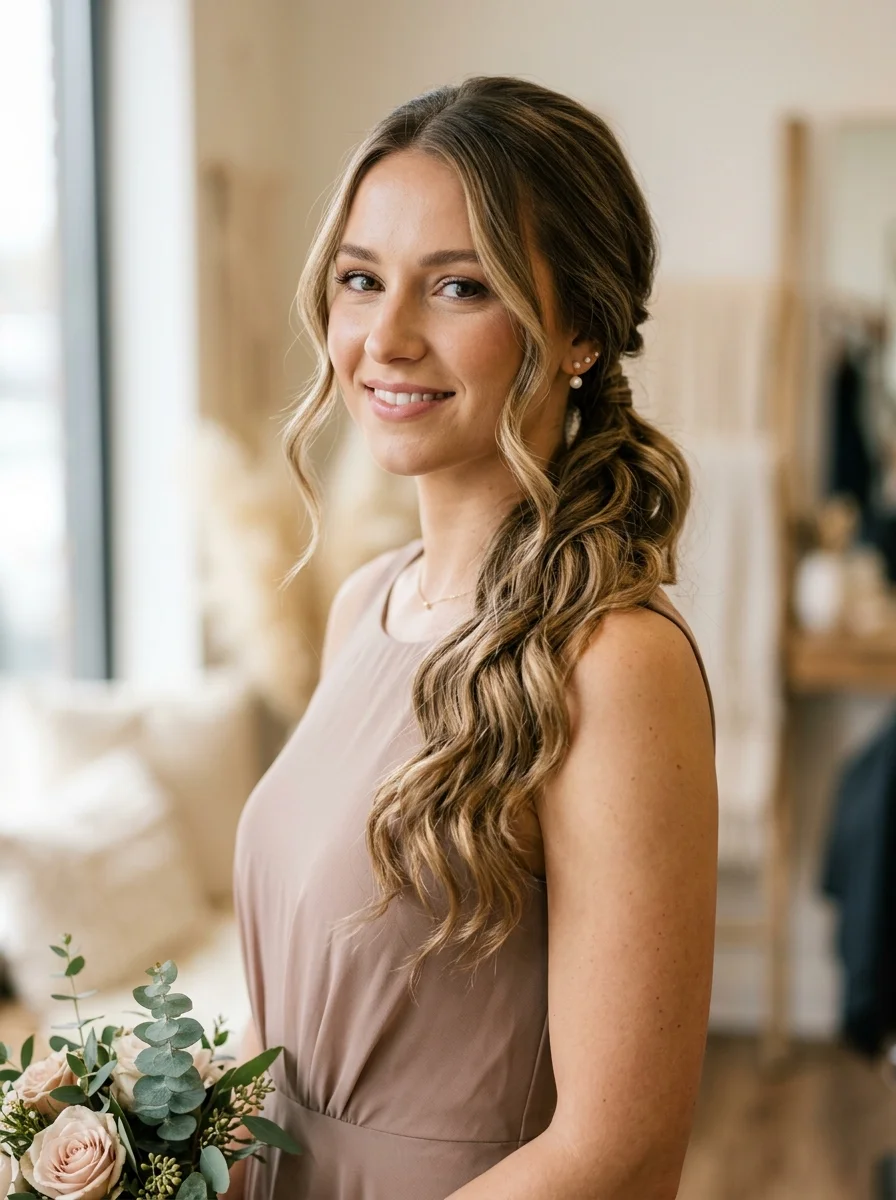
A bridesmaid ponytail can look soft and romantic, sleek and modern, or full of curls for a more dressed-up feel. The best bridesmaid ponytail hairstyles look pretty in photos, feel comfortable for hours, and match the wedding mood without taking attention away from the bride. But choosing one is not always easy. You have to think about the dress neckline, the weather, your hair length, your hair texture, and how long the style needs to last. A ponytail that looks great at the start of the ceremony may fall flat by the time everyone reaches the dance floor. That is why a little planning helps. Below, you will find ponytail hairstyles for bridesmaids that work for formal weddings, garden weddings, beach events, black-tie receptions, and more. You will also get simple tips for making your ponytail last all day. How to Choose the Best Bridesmaid Ponytail Hairstyle Before saving the first pretty ponytail you see, think about where and when the wedding takes place. The prettiest hairstyle is one that feels good, matches the dress, and stays in place. Start with the dress neckline. A low bridesmaid ponytail often looks great with high-neck dresses, open-back gowns, and dresses with detailed shoulders. It keeps the front simple while letting the back of the dress stand out. A high ponytail can work well with strapless dresses, sweetheart necklines, and simple gowns. It adds height and keeps hair away from your face. This can be a smart choice for summer weddings too. The venue matters as well. A loose textured ponytail fits garden, beach, rustic, and boho weddings. A smooth middle-part ponytail often looks better at a hotel ballroom, formal dinner, or city venue. Your natural hair texture also matters. Curly hair can look beautiful in a full ponytail with defined curls. Fine hair may need texture spray, soft teasing, or extensions for more volume. Straight hair can look clean and stylish in a sleek low ponytail. Do not feel like every bridesmaid must have the exact same hairstyle. Matching accessories, similar curl patterns, or the same ponytail height can make the group look connected while still letting each person feel like herself. Save two or three options before your hair trial. Then you can see which wedding ponytail hairstyle feels best in real life. Braided Low Ponytail A braided low ponytail has a soft, pretty feel without being too formal. Start with a loose braid from one or both sides of the head. Then gather everything into a low ponytail. Keep the braid slightly loose. Pull it gently apart after braiding so it looks fuller. Small flowers, pearl pins, or baby’s breath can make this style feel extra special. This braided bridesmaid ponytail suits outdoor weddings, rustic weddings, and boho wedding themes. It also works well with lace dresses and flowing fabrics. Best for: Garden weddings, vineyard weddings, and boho themes. Styling tip: Add texture spray before braiding so the hair does not slip. Bubble Ponytail A bubble ponytail is playful but still wedding-ready. It uses small elastics down the ponytail to create round sections. Each section is gently pulled outward to make it look fuller. You can keep the style simple with clear elastics, or dress it up with ribbon, pearl pins, or small bows. This look works best on medium to long hair. It is a cute option for younger bridesmaids, spring weddings, or a bridal party that wants something a little different. The bubbles look great in photos because they add shape and detail from the back. Best for: Spring weddings, younger bridesmaids, and fun bridal parties. Styling tip: Keep the bubbles even in size for a cleaner finish. Curly Ponytail for Natural Hair Natural curls can be the main feature of a beautiful bridesmaid ponytail. You do not need to flatten them down to make the style look formal. Keep curls moisturized and defined before styling. You can create a low ponytail, a high puff, or a sleek base with a full curly ponytail. A pearl clip, gold cuff, or small flower can add a wedding touch. Use edge control only where needed. The goal is to keep the style neat while still letting your natural texture show. This look can be soft, bold, classic, or modern depending on the accessories you choose. Best for: Bridesmaids with curly, coily, or natural hair. Styling tip: Bring curl cream or a light mist to the wedding for quick touch-ups. Half-Up Ponytail With Loose Waves A half-up ponytail is perfect for bridesmaids who do not want all their hair pulled back. The upper section goes into a ponytail while the rest stays down in loose waves. This style gives you the best of both looks. Your hair stays away from your face, but you still get the softness of wearing it down. A bow, pearl clip, or floral comb can make it feel more bridal. It is also useful for shorter hair that may not fit into a full ponytail. Add waves to create body and movement. Best for: Short to medium hair and relaxed wedding styles. Styling tip: Curl the lower section away from the face for a soft finish. High Curled Ponytail A high curled ponytail is fun, full, and great for bridesmaids who want hair off their neck. It adds height at the crown and gives the whole look more energy. This high ponytail bridesmaid hairstyle looks especially good with strapless gowns, halter dresses, and simple necklines. It is also useful for warm-weather weddings because it keeps the hair up and away from the shoulders. Large curls make the ponytail look fuller. Clip-in extensions can help if you want more length or volume. Keep the front sleek for a glam finish, or leave a few loose pieces around the face for something softer. Best for: Summer weddings, evening receptions, and strapless dresses. Styling tip: Use two elastics instead of one for extra hold. Low Ponytail With a Hair Wrap A low ponytail with a hair wrap is … Read more

15 Bridesmaid Hairstyles for Long Hair

Low Textured Bun

You want your bridesmaid hairstyle to look good in every photo, match the wedding, and still feel comfortable after hours of hugs, dinner, and dancing. Long hair gives you plenty of options. That sounds great at first. But it can make choosing one style harder. Should you wear loose waves, a braid, a bun, a ponytail, or a half-up style? The best bridesmaid hairstyles for long hair should fit the wedding mood without taking attention away from the bride. They should also work with your hair texture, dress neckline, and the weather. A loose wave style may be perfect for a garden wedding. A sleek bun may suit a formal ballroom. A braided ponytail can work well for a beach ceremony. You do not need to pick the same style as every other bridesmaid either. Similar looks often work better than exact copies. Here are 15 long bridesmaid hairstyles to help you find one that feels pretty, secure, and easy to wear all day. How to Pick a Bridesmaid Hairstyle That Works All Day Before choosing a photo, think about what your hairstyle needs to do from the ceremony until the last dance. Start with the dress. A high-neck dress often looks nice with hair up or pulled back. An open-back dress can look beautiful with a high bun or ponytail. A soft neckline may suit loose curls or half up bridesmaid hairstyles. Then think about the wedding setting. Outdoor weddings can be windy, humid, or hot. A low bun, braid, or pinned half-up style may hold better than fully loose hair. Indoor formal weddings give you more room for polished waves, sleek buns, and shine. Your hair texture matters too. Fine hair may need mousse or light extensions for fuller curls. Thick hair may need extra pins and a strong base. Natural curls can look beautiful when the style keeps their shape instead of pulling them flat. Use this quick guide before deciding: Wedding Goal Best Hairstyle Direction Want a soft look Loose waves or half-up twists Want hair off the neck Low bun or ponytail Want a boho feel Loose braid with curls Want a polished finish Sleek low bun Want to show natural curls Curly half-up style Want easy matching styles Low ponytails with curls Save photos with hair texture close to your own. A style on thick curls may not sit the same way on fine straight hair. Your stylist can adjust the idea so it works better for you. Braided Low Bun A braided low bun gives you the clean feel of an updo with a little extra texture. The stylist can add one small braid from the front or side into the bun. This hairstyle works well for barn weddings, outdoor ceremonies, and romantic wedding themes. It looks soft with greenery, pearl pins, or small white flowers. Best for: Rustic and romantic weddingsHair type: Medium to long hairUpkeep: MediumAsk your stylist for: A loose low bun with a small braid woven into the style Braided Low Ponytail A braided low ponytail is modern, easy, and useful for warm-weather weddings. Begin with a small braid at the crown or side. Then gather the rest into a low ponytail and curl the ends. Wrap a small section of hair around the elastic to hide it. Add a simple clip or small flower if the wedding colors call for it. Best for: Warm-weather and beach weddingsHair type: Medium to thick hairUpkeep: MediumAsk your stylist for: A low curled ponytail with a small braid at the crown Braided bridesmaid hairstyles need hidden pins, especially when they are loose. This helps the braid stay in place during photos, hugs, and dancing. Curly Half-Up Style With Volume Half up bridesmaid hairstyles can look beautiful on natural curls and coils. Pin the top curls back gently, then leave the rest full and shaped. A flower comb, small pearl pins, or a gold clip can add a wedding detail. Do not pull the upper section too tight. The curls underneath should still have room to stay full. Best for: Bridesmaids with natural curls or coilsHair type: Curly or coilyUpkeep: MediumAsk your stylist for: A loose curly half-up style with volume at the crown Deep Side-Parted Glam Waves Deep side-parted glam waves give long hair a polished, photo-ready look. The waves are smooth and brushed out, not tight or springy. This style works well with satin dresses, statement earrings, and formal venues. It may need stronger hold products than a casual wave style, especially if your hair drops curls quickly. Keep the front section tucked behind one ear for a clean finish. Best for: Formal weddings and satin dressesHair type: Medium to long hairUpkeep: HighAsk your stylist for: A deep side part with soft, glossy glam waves Half-Up Twist With Soft Curls A half-up twist gives you the best of both styles. Your hair stays partly down, but the front sections are pinned back so they do not fall in your face. Take two small sections from the front. Twist them gently and bring them together at the back. Leave the lower hair in loose curls. Add a small pearl pin or flower comb if the bridal party is wearing accessories. Best for: Bridesmaids who want hair partly off the faceHair type: Medium to thick hairUpkeep: MediumAsk your stylist for: Soft curls with two loose twists pinned at the back High Ponytail With Soft Waves A high ponytail with soft waves feels fresh, fun, and polished. The height gives the hairstyle more lift, while the curled lengths keep it formal enough for a wedding. This style works well with halter dresses, open-back dresses, and warm weather. Add a small accessory at the base if the bridal party is using matching details. Best for: Modern and warm-weather weddingsHair type: Medium to thick hairUpkeep: Medium to highAsk your stylist for: A high ponytail with soft waves and wrapped hair around the base Ponytails and curly styles can still feel formal. A clean base, a … Read more

15 Bridal Half Up Half Down Hairstyles for Your Wedding Day

Half-Up Curls With Pearl Pins

You want your wedding hair to look beautiful in photos, stay in place through the ceremony, and still feel like you. That can be hard when you are choosing between a full updo and wearing your hair down. An updo may feel too formal. Loose hair may fall flat, get caught in the wind, or sit in your face while you are trying to enjoy the day. Bridal half up half down hairstyles give you a little of both. They keep hair away from your face while still showing off your length, waves, curls, or braids. You can make the style soft and romantic, clean and polished, or relaxed and boho. How to Choose Bridal Half Up Half Down Hair Before choosing a hairstyle, think about what you want your hair to do from the first photo to the last dance. Start with your dress. A soft lace gown can look lovely with loose waves and small flowers. A satin dress may suit a sleek twist, pearl barrette, or polished curls. A detailed dress often looks best with simpler hair accessories. Your venue matters too. A beach or garden wedding may need a style with extra pins, especially if it could be windy. A formal indoor wedding gives you more room for smooth waves, shine, and statement accessories. Then think about your natural hair. Fine hair may need extra lift at the crown. Thick hair may need a stronger base under the half-up section. Curly and coily hair can look beautiful in a half-up style when the top section stays loose enough to avoid flattening the rest. Use this quick guide before your hair trial: Your Wedding Goal Best Half-Up Style Want soft romance Loose waves with twists Want a boho feel Loose braid with flowers Want a clean look Sleek twist with pearl pins Want more volume Lifted crown with curls Want to wear a veil Low half-up twist or braid Want curls to show Curly half-up style with volume Bring photos with hair texture close to your own. A style on thick curls may not sit the same way on fine straight hair. Your stylist can adjust the look so it feels secure and natural. Braided Half-Up Style With Baby’s Breath Baby’s breath gives a simple braid a light, fresh look. Your stylist can place tiny flowers along a loose braid or around the pinned section at the back. Keep the flower placement light. Too many flowers can make the hairstyle feel busy. This look pairs well with soft makeup, garden flowers, and a relaxed wedding dress. Best for: Garden and spring weddingsHair type: Wavy or curly hairUpkeep: MediumAsk your stylist for: A loose braid with small baby’s breath flowers placed near the back Braided half up half down wedding hairstyles need enough pins to stay secure. This matters even more when your ceremony is outdoors or you expect wind. Curly Half-Up Style With Volume A curly half-up style lets your natural texture be the main feature. Gather the top curls loosely and pin them back. Leave the lower curls full and shaped. A flower comb, pearl clip, or small gold accessory can finish the look. Try not to pull the top section too tightly. The style should keep its softness and height. Best for: Natural curls and coilsHair type: Curly or coilyUpkeep: MediumAsk your stylist for: A loose half-up section that keeps curl volume through the crown Dutch Braid Half-Up Style Dutch braids sit on top of the hair, so they show clearly in photos. Start the braids near the front, then bring them back and pin them together. This is a lovely choice for a rustic wedding, beach event, or barn venue. It also works well when you want a little more hold at the top. Best for: Rustic, beach, or barn weddingsHair type: Medium to thick hairUpkeep: MediumAsk your stylist for: Two soft Dutch braids joined at the back with loose waves below Half-Up Curls With Pearl Pins Pearl pins are a simple way to make curls feel bridal. Curl the lower half of your hair, then gather a small top section and pin it back. Add pearl pins around the twist, braid, or clip. This style works well when you want a little detail without wearing a large comb or flower crown. It can look especially pretty with a sweetheart neckline or an off-the-shoulder dress. Best for: Classic bridal looksHair type: Medium to long hairUpkeep: MediumAsk your stylist for: Loose curls with a soft half-up section and scattered pearl pins Half-Up Hollywood Waves Hollywood waves are smooth, glossy, and full. The top section gets pinned back gently, while the rest falls in wide, brushed-out waves. This hairstyle looks best when you want a glam feel. A deep side part can add extra drama. It may need stronger hold products, so a trial is helpful before the wedding day. Best for: Glam wedding styleHair type: Medium to long hairUpkeep: HighAsk your stylist for: Deep side-parted Hollywood waves with a hidden half-up section Half-Up Style With a Satin Bow A satin bow gives half-up hair a sweet and simple bridal touch. Choose white, ivory, champagne, or a shade that matches your dress. The bow can sit over a small twist, braid, or mini ponytail. Keep the rest of the hair loose and softly waved. This style works best when the bow is the main accessory. Best for: Simple, feminine wedding styleHair type: Straight, wavy, or curlyUpkeep: Low to mediumAsk your stylist for: A soft half-up style finished with a satin bow Soft styles look best when they still have movement. Your hair should feel secure, but it should not look overly sprayed or pulled too tight. Loose Boho Crown Braid A loose crown braid uses one braid from each side of the head. The braids meet at the back and sit above loose curls or waves. Your stylist can gently pull the braid sections apart after pinning them. This makes the braid look fuller and … Read more

15 French Shag Haircut Ideas for Effortless Texture

French Shag With Wispy Bangs

You want a haircut with texture, shape, and movement. But you may not want to spend an hour styling it each morning. That is where the French shag haircut can help. It combines soft layers, face-framing pieces, and relaxed bangs. The result feels polished without looking stiff or overly styled. Still, choosing the right version can be hard. Short crown layers may add volume to one hair type but create frizz in another. Heavy bangs can frame your eyes, but they may need more upkeep. Too many layers can also make fine ends look thin. The goal is simple. You should leave knowing which modern French shag hairstyle fits your hair and daily routine. What Makes a French Shag Haircut Different? A French shag is softer than many traditional shag haircuts. It still has layers, volume, and texture. But the final shape often looks loose and natural instead of bold or heavily chopped. The layers usually begin around the crown or cheekbones. These shorter pieces add lift and stop the hair from hanging in one heavy shape. Longer layers move through the middle and ends. Bangs are also a key part of the look. You may see curtain bangs, wispy bangs, bottleneck bangs, or a full fringe. Each option changes how the haircut frames your face. A classic 1970s shag may have very short crown layers and a strong difference between the top and bottom. A French-inspired shag often blends these areas more softly. You still get texture, but the layers may be easier to grow out. The finish matters too. A French shag does not need perfect curls or smooth ends. Natural waves, small bends, and slightly piecey texture all work well. You can also change the length. A French shag bob feels light and sharp. A shoulder-length cut gives you more styling options. A long shag keeps the length while removing weight. The right amount of layering depends on your hair density, texture, and styling habits. That is why the same basic haircut can look very different from one person to another. Soft French Shag With Long Layers A soft French shag uses long, blended layers instead of a sharp difference between the crown and ends. It gives the hair movement without creating a very choppy shape. This version works well for people who need a more polished haircut for work. It may also suit someone who wants a shag but feels unsure about short layers. The fringe can be long and open, or you can skip short bangs and keep cheekbone-length pieces. This cut often needs less daily styling than a more broken shag. Best for: A subtle change with easy grow-outStyling tip: Use a large brush to shape the front layers.Salon note: Ask for soft blending and limited crown height. Shoulder-Length French Shag A shoulder-length French shag is a safe place to start if you are unsure about a dramatic haircut. It gives you texture, but you can still tie your hair back. The layers may begin around the cheekbones or chin. This adds movement around the face while keeping enough weight through the ends. It works on straight, wavy, and lightly curly hair. The final result depends on how short the top layers are cut. Apply mousse to damp hair and scrunch from the ends upward. You can let it dry naturally or use a diffuser on low heat. Best for: A first shag haircutStyling tip: Use dry texture spray after drying for more separation.Salon note: Ask to keep enough length for a ponytail. Short French Shag Haircut A short French shag haircut can fall between the ears and upper neck. Short crown layers add lift, while piecey ends create shape around the jaw. This cut is a good choice when long hair feels heavy or flat. It can also make natural waves look more visible because there is less weight pulling them down. The shorter length does need more attention as it grows. Once the crown layers get longer, the haircut may lose some of its planned shape. Use a small amount of texture spray near the roots. Twist a few damp sections around your fingers to create loose bends. Best for: Short hair that needs movementStyling tip: Keep product away from the ends if your hair is fine.Salon note: Discuss how short you want the top layers before cutting. Long French Shag With Soft Layers A long French shag haircut keeps most of your length while adding movement around the crown and face. It works well when long hair feels flat or too heavy. The layers should remove weight without leaving the bottom thin. Long curtain bangs or cheekbone-length pieces can connect the front to the rest of the cut. This option often suits thick or dense hair. It can also work on fine hair, but the layers need to be limited. Use a large round brush to shape the front pieces. Add a few loose bends through the middle lengths if your hair is very straight. Best for: Long, heavy hairStyling tip: Focus volume near the roots, not the ends.Salon note: Ask your stylist to protect fullness around the bottom. French Shag With Wispy Bangs A French shag with wispy bangs feels soft around the forehead. The fringe is light, separated, and less solid than full bangs. This option works well when you want a fringe but do not want to cover your whole forehead. It also blends easily into cheekbone-length layers. Wispy bangs may be easier to move to the side as they grow. However, they can separate too much if your roots become oily. Wash or refresh the fringe on its own between full wash days. Best for: A light, flexible fringeStyling tip: Blow-dry the bangs from side to side before shaping them.Salon note: Ask for enough hair to create shape without making the fringe heavy. French Shag With Bottleneck Bangs Bottleneck bangs are shorter in the middle and longer near the cheeks. They sit between curtain bangs and … Read more

15 Medium Knotless Braids Hairstyles to Try

Side-Part Medium Knotless Braids

Medium knotless braids hairstyles are a great choice when you want a look that feels stylish but still easy to manage. They are not too tiny, so they can take less time than smaller braids. They are also not too thick, which gives you more room to try ponytails, buns, curls, beads, and fun parts. But choosing a braid style is not always simple. You may like a photo online but feel unsure about the length, color, or upkeep. You may also wonder if a boho look will be hard to maintain or if waist-length braids will feel too heavy. Why Medium Knotless Braids Work for So Many Looks Medium knotless braids sit between small detailed braids and larger statement braids. They give you a nice middle ground. You get enough braids for neat parting and movement, but you may not spend as long in the chair as you would with very small braids. Knotless braids start with your natural hair. Extension hair is added little by little as the braid gets longer. This can help the style feel less bulky near the roots than some traditional braid methods. Medium knotless braids also give you more styling freedom. You can wear them down, pull them into a ponytail, make a bun, or add curls at the ends. A shoulder-length style can feel light and easy for busy days. Waist-length braids can give you more room for updos and statement looks. Still, braid size is not the only thing that matters. Your braids should not hurt. Pain, burning, headaches, bumps, or a very tight hairline are signs to speak up early. A pretty style should also feel comfortable. Waist-Length Medium Knotless Braids Waist-length braids are made for people who love a bold style. They look great in photos and give you many options for high ponytails, side sweeps, and large buns. Longer braids may need more braiding hair. They can also feel heavier, so talk with your braider about keeping the install comfortable. A simple middle part works well here because the length already makes a big statement. Best for: People who want a dramatic long braid look.Styling tip: Wear a loose high ponytail instead of pulling the front braids too tight. Triangle-Part Medium Knotless Braids Triangle parts make your scalp design part of the hairstyle. Even when your braids are down, the parting adds something different. This style looks best when the parts are neat and even. It works well with straight medium braids because the clean sections stay visible. You can use a simple black or brown braid color to keep the focus on the parting. Best for: People who want more detail without adding curls or bright hair.Styling tip: Ask your braider to show you the parting before the full style is finished. Side-Part Medium Knotless Braids A deep side part gives your braids a softer look. It can also add more volume on one side of your face. This is a good option if center parts do not feel like your style. You can wear the braids loose, sweep them over one shoulder, or tuck one side behind your ear. Best for: A softer, more relaxed braid look.Styling tip: Add two or three gold cuffs near the front instead of decorating every braid. Shoulder-Length Medium Knotless Braids Shoulder-length braids are lighter and easier to manage. They can be a smart pick if you work out often, do not like heavy hair, or want a style that feels cooler in warm weather. If you’re planning a warm-weather look, summer hairstyles for Black women can provide even more protective style inspiration. You can keep the ends blunt for a clean finish. You can also add small curls or clear beads at the bottom. This length still looks polished for work, school, and daily errands. Best for: Low-maintenance days and active routines.Styling tip: Add a few cuffs near the ends for a simple upgrade. Medium Knotless Braids With Gold Cuffs Gold cuffs are a simple way to make braids look more dressed up. They work with black, brown, blonde, red, and mixed-color braids. Place a few cuffs near the front or around the middle of select braids. This gives you a clean design without making the style look crowded. Gold cuffs can also refresh older braids when you want a change but do not want a new install yet. Best for: A polished look with little effort.Styling tip: Use two cuffs on each side near your face for an even look. Medium Knotless Braids With Curly Ends Medium knotless braids with curls give you the best of both looks. The braid section stays neat, while the ends add movement and softness. You can choose loose curls, spiral curls, or wavy ends. Keep the curls on the last few inches of each braid so the style does not feel too heavy. Best for: Birthdays, dinners, vacations, and photo days.Styling tip: Cover the curls with a satin bonnet at night so they do not get dry or flat. Medium Knotless Braids With Beads Beads can make simple braids feel more personal. You can use clear beads, wooden beads, gold beads, or colors that match your favorite outfits. You do not need beads on every braid. A few beads around the face or at the ends can look much better than adding too many. Choose lighter beads if your braids are already long. Heavy beads can pull on the ends and make the style feel uncomfortable. Best for: Adding detail without changing your full braid style.Styling tip: Use beads mainly on the front braids and a few braids at the back. Medium Knotless Braided Bob A braided bob is short, neat, and easy to style. The braids usually stop around the chin, neck, or shoulders. This style gives you a fresh shape without the weight of long braids. It works well with square parts, triangle parts, or curved parts. A braided bob with curled ends can make the look feel softer. Straight … Read more

15 Side Part With Braids on the Side Ideas

Side Braids for a Bob or Short Hair

You may want a braided hairstyle without braiding your whole head. You may also want to keep most of your hair loose, curly, straight, or tied back. A side part with braids on the side gives you both options. The side part creates a clear shape, while the braids add detail near the temple. The loose section can stay natural or be styled to fit the occasion. Still, the right braid size and placement matter. Thick braids can take over the style. Tight braids can make your hairline feel sore. Short hair may also need pins because the braid ends will not reach very far. The ideas below include simple mini braids, cornrows, formal updos, ponytails, and bold faux undercuts. You will also learn how to choose a style for your hair type, create a clean side part, and keep the braids comfortable. Side-Swept Knotless Braids Knotless braids can be installed with a clear side part so most of the braids fall over one shoulder. Smaller braids near the part help the front sit more smoothly. The side-swept look can frame your face and show the braid length. Curled ends can make the style feel softer. Do not leave the full weight of the braids pulling against one side for long periods. Switch the placement when your hairline needs a break. Best for: Long braided stylesBraid skill: Professional or experiencedLoose-hair finish: Braids swept over one shoulderStyling tip: Keep the braids near the hairline light and comfortable. Side Part With Two Small Cornrows Two small cornrows create more detail while keeping most of your hair free. Make a deep side part, then divide the smaller side into two even sections. Braid both sections in the same direction. You can stop the braids near the ear or continue them farther back. Keep the spacing even so the finished style looks clean. Pair the braids with loose curls for contrast or straight hair for a sleek finish. Best for: Medium or long hairBraid skill: IntermediateLoose-hair finish: Curls, waves, or straight hairStyling tip: Use the pointed end of a rat-tail comb for cleaner sections. Side Part With Three Mini Braids Three mini braids are easier than cornrows because you can use a basic three-strand method. Create small sections near the temple and braid each one away from your face. Secure the ends with clear elastics or pin them behind your ear. Keep the braids thin so they do not look heavy against fine hair. This style is useful when you want detail but cannot braid close to the scalp. Best for: Fine, straight, or lightly wavy hairBraid skill: BeginnerLoose-hair finish: Natural texture or soft wavesStyling tip: Use small elastics that do not catch or pull the hair. Side Part With Stitch Braids Stitch braids use small, clean sections to form visible lines across each braid. The pattern adds detail even when the braids are narrow. Create two or three stitch braids on the smaller side of the part. Pair them with loose curls, straight hair, or a low ponytail. This style needs careful sectioning. Use a comb instead of your fingernails to form the small lines. Best for: Coily or textured hairBraid skill: AdvancedLoose-hair finish: Sleek, curly, or tied backStyling tip: Use only enough gel to keep the sections clean. Side Part With Feed-In Braids Feed-in braids begin small and become thicker as extra hair is added. Use two or three narrow braids on the smaller side of your part. The gradual size change gives the front a smooth finish. It can also reduce the large knot that may form when all the extension hair is added at once. Keep the added hair light near the temples. Too much weight in a small section may feel uncomfortable. Best for: Curly, coily, or textured hairBraid skill: Advanced or professionalLoose-hair finish: Curls, a ponytail, or a full loose sectionStyling tip: Ask for gentle tension around the front hairline. Side Part With Braids and Loose Waves One or two small braids can make loose waves look more finished. Place them beside a deep side part and hide the ends beneath the wavy section. This style works well for dinners, parties, weddings, or photo days. It feels polished without looking too formal. Create the braids before curling the rest of your hair. This keeps hot tools away from the small braided sections. Best for: Medium or long hairBraid skill: Beginner to intermediateLoose-hair finish: Soft wavesStyling tip: Use a small pin to hide each braid end beneath the waves. Side Part With Braids and a Low Bun A low bun gives side braids a more formal finish. Start with a deep side part, then braid the smaller section back. Gather the rest of your hair near the nape and form a bun. Keep it smooth for a polished look or loosen a few pieces for a softer style. This option works well for weddings, dinners, work events, and formal photos. Best for: Medium or long hairBraid skill: IntermediateLoose-hair finish: Smooth or soft low bunStyling tip: Choose pins that match your hair so they stay hidden. Side Part Braided Ponytail A braided ponytail keeps your hair controlled while adding detail near the front. Create one or more braids along the smaller side of your part. Secure the braids first. Then gather all your hair into a high, middle, or low ponytail. You can leave a few soft pieces around the face or keep the front smooth. Wrap a small section of hair around the ponytail elastic for a cleaner finish. Best for: School, work, workouts, and busy daysBraid skill: Beginner to intermediateLoose-hair finish: High or low ponytailStyling tip: Finish the side braids before forming the ponytail. Side Braids With Sleek Straight Hair This style combines narrow side braids with smooth, straight hair. Make a clean side part and braid the smaller section close to the head. Straighten the loose section after applying heat protection. Keep the roots smooth so the contrast between the braid and loose hair stays clear. … Read more

15 Pixie Haircut With Bangs Ideas to Try

Long Pixie Haircut With Side-Swept Bangs

You may love the look of short hair but still worry about choosing the wrong cut. Will it suit your face? Will your bangs sit flat? Will you need to style your hair every morning? A pixie haircut with bangs can be soft, bold, neat, or relaxed. The result depends on the length of the bangs, the layers, and how the hair is shaped around your face. The right pixie cut with bangs can also make your routine easier. Still, short hair is not always free from upkeep. Some styles need regular trims, while others grow out with less effort. Asymmetrical Pixie With Long Bangs An asymmetrical pixie keeps one side or one front section longer than the other. The difference creates a clear diagonal line across the face. The longer fringe can draw attention to your eyes or cheekbones. It may also work well with glasses because you can place the bangs to one side of the frames. This cut has a bold shape, but the longer front keeps it easy to change. Best for: Anyone who wants a less traditional pixieStyling tip: Use a light smoothing cream on the longer section. Choppy Pixie Haircut With Piecey Bangs A choppy pixie uses uneven layers to create clear texture. The bangs are separated into small pieces rather than brushed into one smooth section. This style gives straight hair more movement. You can wear it neat for work or rough it up with your fingers for a casual finish. It is also a useful choice if your hair tends to fall flat soon after styling. Best for: Straight or slightly wavy hairStyling tip: Pinch a tiny amount of texture paste into selected ends. Classic Pixie Cut With Soft Side Bangs A classic pixie has short, neat sides with extra length at the top. Soft side bangs sweep across the forehead and blend into the temples. This style is a good first pixie cut because it does not feel too severe. The longer fringe gives you room to change your part or tuck one side behind your ear. It works well on straight hair and loose waves. Best for: First-time pixie wearersStyling tip: Smooth a small amount of light styling cream through the bangs. Curly Pixie Cut With Short Bangs A curly pixie keeps the natural curl pattern visible at the front. The bangs may sit above the brows or fall in soft curls across the forehead. Curl shrinkage matters with this cut. Hair that looks long when wet may become much shorter after it dries. Ask your stylist to check the fringe when your curls are dry. This can help prevent the bangs from ending up shorter than planned. Best for: Naturally curly hairStyling tip: Use a small amount of curl cream and avoid brushing dry curls. Layered Pixie Cut With Feathered Bangs Soft layers add lift through the top of this pixie. The feathered bangs blend into the sides instead of ending in a hard line. This shape can help fine hair appear fuller. It also gives the hair movement without creating a messy finish. Ask your stylist to keep the layers light. Too many short layers can make thin ends look weak. Best for: Fine or medium-density hairStyling tip: Lift the roots with a small round brush while drying. Long Pixie Haircut With Side-Swept Bangs A long pixie cut with bangs gives you the feel of short hair without removing all your length. The sides stay fairly short, while the top and front remain longer. The side-swept fringe creates a soft line across the face. It can also be tucked behind one ear when you want your hair away from your eyes. This cut is helpful if you are growing out a bob or feel nervous about a very short style. Best for: Anyone who wants a flexible short haircutStyling tip: Blow-dry the fringe from side to side before placing it. Pixie Bob With Long Bangs A pixie bob sits between a short pixie and a bob. It keeps more fullness around the ears and nape, with longer bangs at the front. The fringe may reach the brows or cheekbones. This gives you more options for side parts, smooth styles, and tucked-back looks. It is also one of the easier pixie styles to grow out because the outer shape is already longer. Best for: Anyone testing shorter hairStyling tip: Keep the front smooth while adding light lift at the crown. Pixie Cut With Curtain Bangs Curtain bangs open near the center and sweep to both sides. On a pixie cut, they need enough length to blend into the temple area. This fringe keeps the middle of the face open. It can also frame the eyes and cheekbones without covering the whole forehead. The style works best when your natural part supports the split shape. Best for: Oval, heart-shaped, or longer facesStyling tip: Blow-dry each side away from the face. Shaggy Pixie Haircut With Messy Bangs A shaggy pixie has broken layers and a loose shape. The messy bangs blend into the top instead of sitting apart from the rest of the cut. This style works well with natural waves, bends, and uneven movement. It does not depend on every strand sitting in the right place. It can also handle a little extra growth better than a sharp, closely cropped pixie. Best for: Wavy hair and relaxed routinesStyling tip: Add texture spray to dry hair and shape it with your fingers. Short Pixie Haircut With Wispy Bangs This short pixie haircut with bangs uses light, separated pieces across the forehead. The bangs do not form one thick line. Wispy bangs can soften the look of very short sides. They also keep fine hair from appearing heavy or flat around the face. The fringe may need light styling after sleep, but it usually takes less effort than a full, blunt bang. Best for: Fine or straight hairStyling tip: Avoid thick wax, which can make the bangs clump together. Sleek Pixie … Read more

17 Pixie Cuts for Thin Hair That Add Volume

Messy Pixie Cut

Thin hair can look flat fast, but the right pixie cut can make it look fuller, lighter, and easier to style. Pixie cuts for thin hair, the best styles add lift at the crown, soft texture around the face, and shape through the sides. A good short pixie haircut can help fine hair look less limp without needing a lot of daily work. Many women worry that cutting thin hair short will make it look even thinner. That can happen with the wrong cut. But the right pixie can do the opposite. It can remove heavy length, add movement, and make your hair look more styled with less effort. Why Pixie Cuts Can Make Thin Hair Look Fuller Thin hair often looks flat because long hair can pull it down. When the hair has less weight, it can lift more easily at the roots. That is why many short pixie cuts for thin hair work so well. A pixie cut can help create shape where your hair needs it most. If your crown looks flat, soft layers can add height. If your front hairline looks sparse, side-swept bangs can help cover that area. If your hair feels limp, texture can make it look fuller. The key is balance. You do not want too many layers because that can make the ends look thin. You also do not want a cut that is too flat on top. A good pixie haircut for fine hair keeps enough weight in the right places while adding movement where it matters. Hair thinning is also very common. The American Academy of Dermatology says hereditary hair thinning affects millions of women. Cleveland Clinic also notes that female pattern hair loss becomes more common with age. So if your hair feels thinner than it used to, you are not alone. The goal is not to hide your hair. The goal is to choose a cut that helps it work better. Volumized Crown Pixie Cut A volumized crown pixie is one of the best styles for hair that goes flat at the roots. It keeps the main lift at the top of the head. This style can make thin hair look fuller from the side and front. It also gives the haircut a more polished shape. Ask your stylist to keep the crown layers soft. You want height, not a stiff bump. Best for: flat roots, fine hair, fuller-looking shape. Styling tip: Blow-dry upward at the crown before adding light texture spray. Undercut Pixie for Thin Hair An undercut pixie can work for thin hair, but it needs care. The top must stay long enough to create fullness. The shorter sides create contrast. This can make the top section look thicker. This style is best if you still have enough density on top. If your hair is very sparse, a softer taper may be better. Best for: bold style and fuller top sections. Styling tip: Keep the top longer and textured. Textured Pixie Cut A textured pixie is great if your thin hair looks too smooth or limp. The texture gives the haircut a piecey finish. This makes the hair look thicker than it really is. This cut works best when the stylist keeps some length on top. The top layers can then be styled with your fingers. Avoid thick wax or heavy cream. These products can make thin hair separate too much. Best for: fine hair that needs movement. Styling tip: Use a tiny amount of texture paste on the ends only. Tapered Pixie Cut A tapered pixie cut has a clean shape at the back and sides. The neckline looks neat, while the top keeps more volume. This cut is good if you want structure. It keeps thin hair from looking messy in the wrong way. A soft taper looks more feminine. A sharp taper looks bolder. You can choose based on your style. Best for: clean shape, fine hair, easy maintenance. Styling tip: Ask for soft tapering if you do not want a harsh look. Soft Pixie Cut for Women Over 50 A soft pixie cut for women over 50 can make thin hair look fresh without looking too sharp. The best version has light layers, soft sides, and crown lift. This cut works well when hair becomes finer with age. It is easy to manage and can make the face look more open. Avoid flat helmet-like shapes. Ask for movement around the crown and temples. Best for: mature women, aging hair, soft volume. Styling tip: Ask for feathered texture around the sides and top. Side-Swept Pixie Cut A side-swept pixie cut is a smart choice if your front hairline looks thin. The longer fringe moves across the forehead and creates a fuller look. This style also softens the face. It works well for round, square, and heart-shaped faces. The side part gives the hair direction. That helps the style look more polished without much work. Best for: thin front hair, soft face framing, easy styling. Styling tip: Blow-dry the bangs to one side with a round brush. Short Spiky Pixie Cut A short spiky pixie can add instant lift to fine hair. The top pieces stand up slightly, which makes the hair look fuller. This cut is best for women who like a confident short style. It is easy to style, but it does need the right product. Keep the spikes soft. If they are too stiff, the hair can look thin between each piece. Best for: bold short hair and crown volume. Styling tip: Use light gel or paste, then shape the top with your fingers. Pixie Cut with Wispy Bangs Wispy bangs are better than thick bangs for most thin hair. They soften the forehead without stealing too much hair from the top. This pixie style works well if your hairline feels sparse. The light bangs create coverage while still looking natural. Ask your stylist to keep the bangs airy. Heavy bangs can make the rest of your hair look thinner. … Read more

22 Short Haircut for Wavy Hair Ideas That Actually Work

Short Wavy Cut with Face-Framing Layers

Finding the right short haircut for wavy hair can feel tricky. Your waves may look soft one day and puffy the next. They may fall flat after a wash. Or they may grow wide at the sides when the cut is too short or too heavy. That is why choosing a short cut for wavy hair is not just about picking a pretty photo. Your haircut needs to work with your natural texture. It should help your waves sit better, frame your face, and make styling easier. Short haircuts for wavy hair that can work for different face shapes, hair types, and styling needs. How to choose the right short wavy hairstyle, how to style it without frizz, and what to ask your stylist before the cut. Why Short Haircuts Work So Well for Wavy Hair Wavy hair sits between straight and curly hair. That means it needs shape, but it also needs freedom to move. When the haircut is too heavy, your waves can stretch out and look flat. When the haircut is too short in the wrong places, your hair can puff out. A good short haircut can make your waves look fuller. It can also help weak waves bounce up. This is why many short haircuts for wavy hair use soft layers, face-framing pieces, or textured ends. The right length matters too. A chin-length bob can make loose waves look soft and fresh. A layered pixie can help thick waves feel lighter. A shaggy bob can add shape when your hair feels flat at the crown. But the wrong cut can be hard to manage. Too many short layers can make frizz worse. A heavy one-length cut can make thick waves look bulky. A very short cut with no shape can make your hair harder to style. The best short cut is not always the trendiest one. It is the one that fits your real hair on a normal day. Wavy Wolf Cut A wavy wolf cut is bold and full of shape. It has shorter layers on top and longer pieces near the neck. This haircut works best when the layers are soft. If they are too sharp, the cut can look messy in a bad way. Best for: edgy short wavy hairstyles. Styling tip: Use a light product so the layers do not feel stiff. Wavy Pixie Cut A wavy pixie cut is short, fresh, and full of texture. It works well if you want a bold cut that does not hide your natural wave. This haircut can be easy to style once it is cut correctly. The top should have enough length so your waves can show. Best for: confident readers who want a low-maintenance look. Styling tip: Rub a small amount of styling cream into the top layers. Undercut Pixie for Thick Wavy Hair An undercut pixie removes weight from the sides or back. The top stays longer so your waves can show. This is helpful for thick wavy hair that feels too bulky. It also makes the cut easier to style. Best for: thick hair and hot weather. Styling tip: Keep the top textured and soft. Textured Wavy Bob A textured wavy bob is one of the easiest short wavy hairstyles to wear. It gives your hair shape without making it feel too short. This cut works well for medium waves. The soft texture keeps the ends from looking heavy. Best for: medium-density wavy hair. Styling tip: Scrunch in a light mousse while your hair is damp. Stacked Bob for Wavy Hair A stacked bob has more lift at the back. It can make the hair look fuller at the crown. This cut is good for medium to thick hair. It gives shape without needing lots of daily styling. Best for: waves that need volume at the back. Styling tip: Ask your stylist to keep the stack soft, not too sharp. Soft Wavy Bob with Bangs A soft wavy bob with bangs can look fresh and pretty. The bangs add interest, while the bob keeps the shape simple. This cut works best when the bangs are light. Thick bangs can be harder to style on wavy hair. Best for: soft texture and a youthful look. Styling tip: Ask for bangs that can be worn natural or pushed to the side. Side-Parted Short Wavy Haircut A side part can change the whole look of short wavy hair. It adds height and makes your waves look fuller. This is a simple way to flatter round and square faces. It also works if your hair falls flat at the roots. Best for: extra volume. Styling tip: Flip your part while your hair is damp. Short Wavy Mullet A short wavy mullet is bold and full of personality. It keeps more length near the neck and more texture on top. This style is not for everyone. But it can look great if you like a strong shape and do not mind attention. Best for: bold style lovers. Styling tip: Keep the top soft so the cut does not look too heavy. Short Wavy Lob A short wavy lob is a safe choice if you are scared to go very short. It usually sits between the chin and shoulders. This cut still feels light, but you can tie some of it back. It is a good first step before a bob or pixie. Best for: first-time short haircuts. Styling tip: Add loose bends with a heat tool only when needed. Short Wavy Cut with Face-Framing Layers Face-framing layers can make a short cut look more flattering. They bring attention to your cheekbones, jaw, or eyes. This is a good option if you want shape without losing too much length. It also helps waves fall better around the face. Best for: soft shape without a big change. Styling tip: Ask for the shortest piece to start near your cheekbone or chin. Short Shag Haircut A short shag is made for natural texture. It has layers around the … Read more

15 Pixie Haircuts for Round Faces to Try

Spiky Pixie With Textured Top

Getting a pixie cut can feel exciting. It can also feel scary. You may love short hair in photos but worry it will make your face look wider or be hard to style. Here is the good news. A round face does not mean you have to skip short hair. The right cut can add height, movement, and soft lines around your face. A side fringe can help. So can texture at the crown. Even a very short cut can work when the shape fits your hair and daily routine. What Makes a Pixie Cut Look Good on a Round Face? A pixie cut does not need to hide your face. It should give your hair shape and make you feel like yourself. Height at the crown can help create a longer look. This means the hair on top has a little lift instead of sitting flat. You do not need huge volume. Even a small amount can change the shape. A deep side part can also help. It creates an angle across your forehead. A pixie cut with side bangs can do the same thing. The fringe softens the front of the cut and gives you more styling options. Texture matters too. A flat, blunt pixie can look severe on some people. A textured pixie has small layers that add movement. It can look softer and less stiff. You may also like longer pieces near your temples or cheeks. These small details can make a cropped cut feel easier to wear. There is no perfect rule for every face. Your hair texture, personal style, and morning routine matter just as much. Some flattering pixie hairstyles for round faces are soft and long. Others are bold and very short. Asymmetrical Pixie An asymmetrical pixie is longer on one side than the other. That uneven shape adds a strong angle and makes the cut stand out. You can wear the longer side across your forehead or tuck it behind your ear. This makes it one of the more flexible short pixie cuts for round faces. Best for: People who want a modern, bold look.Styling time: Around 10 minutes.Think twice if: You like changing your part every day. Bixie Cut With Side-Swept Layers A bixie is a mix of a bob and a pixie. It has more length than a classic pixie but still feels short and fresh. This is a smart choice if you are growing out a pixie. It also works well if you are cutting down from a bob and want a safer change. Best for: People between a bob and a pixie.Styling time: Around 10 minutes.Think twice if: You want a very cropped haircut. Curly Pixie With Volume on Top A curly pixie lets your natural texture do much of the work. The sides stay shorter while the curls on top stay longer and fuller. This shape can look fresh and balanced. Your stylist should cut curls with shrinkage in mind. Curly hair often looks shorter after it dries. Best for: Curly or coily hair.Styling time: 10 to 15 minutes.Think twice if: You do not want to refresh your curls between wash days. Feathered Pixie A feathered pixie has soft layers that move away from the face. It can give fine hair a lighter, fuller look. The cut works well with a side part. Blow-dry the top with a small round brush for a little lift. Best for: Fine hair that needs movement.Styling time: 5 to 10 minutes.Think twice if: Your hair is very thick and coarse. French-Inspired Soft Pixie This style has a smooth shape, light texture, and a soft fringe. It looks neat but does not need to look perfect. The key is keeping the lines soft. The fringe should sit lightly across the forehead or sweep to one side. Best for: Fine hair and simple styling.Styling time: 5 to 10 minutes.Think twice if: You want a lot of height on top. Long Pixie With a Deep Side Part A long pixie gives you more hair on top and around the front. It is a good first step when you want short hair but do not want a huge change all at once. The deep side part adds an angled line across the face. It can also make the top look fuller. Best for: First-time pixie clients.Styling time: 5 to 10 minutes.Think twice if: You do not want to use any styling product. Micro Pixie With Long Top A micro pixie is very short on the sides and back. The top stays longer, so you still have room for texture and lift. It is a big change, but it can feel freeing. This cut puts your features front and center. Best for: People ready for a strong short-hair change.Styling time: About 5 minutes.Think twice if: You prefer to cover your ears or neck. Pixie Bob With Face-Framing Pieces A pixie bob sits between a pixie and a short bob. It keeps more length near the front and sides, so it can feel less risky than a close crop. The longer pieces can frame your cheeks and jaw. This gives you a softer shape while still enjoying short hair. Best for: People who want an easier first short cut.Styling time: 10 to 15 minutes.Think twice if: You want your ears and neck fully open. Pixie Cut With Side Bangs A pixie cut with side bangs gives you a soft front section. It can make a short haircut feel less sudden, especially if you usually wear some hair around your face. The bangs can be light and wispy or fuller and smooth. Keep them long enough to sweep aside, but short enough to stay out of your eyes. Best for: People who do not want a fully open forehead.Styling time: 5 to 10 minutes.Think twice if: Your bangs get oily fast. Soft Shaggy Pixie A soft shaggy pixie uses light, uneven layers. It looks relaxed and works well when your hair has some natural wave. You do … Read more