17 Auburn Hair With Highlights Ideas to Try
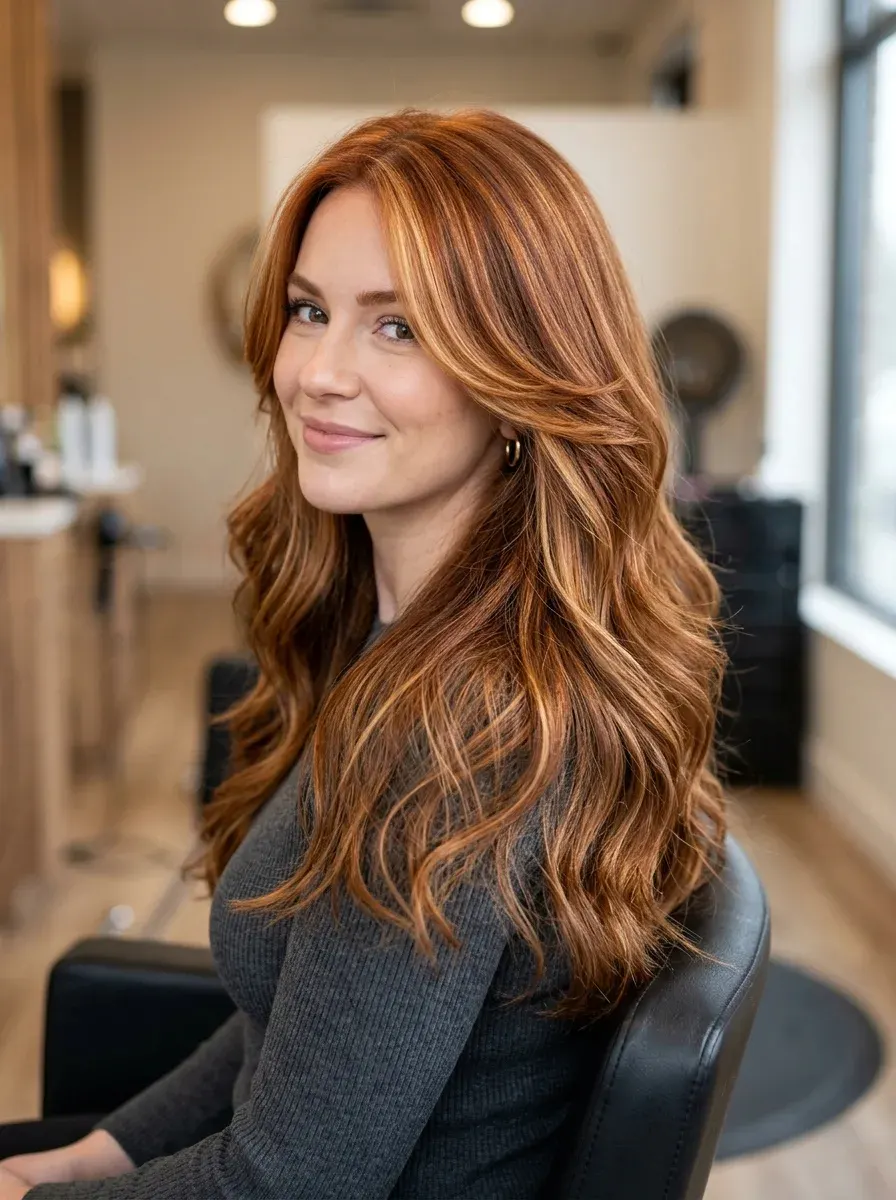
Auburn Hair With Copper, Honey, and Caramel Highlights

Auburn hair is already rich and warm. But the right highlights can make every wave, curl, and layer stand out. The hard part is choosing the right color mix. Auburn is not one single shade. It can look coppery, brown, deep red, cinnamon, or even slightly burgundy. A highlight color that works with light auburn hair may look too bright against a dark red-brown base. Placement matters too. Fine ribbons create a soft and natural finish. Bold face-framing pieces make a much stronger statement. Each idea explains what the color looks like, who it may suit, and what you can ask your colorist for. This makes it easier to save a look that fits your hair, style, and care routine. How to Choose Highlights That Work With Auburn Hair The best highlights for auburn hair depend on the base color you already have or plan to get. Start by looking at the main shade. Is your auburn light and coppery? Is it dark and brown? Does it have strong red tones? Once you know the base shade, you can choose highlights that blend with it or stand out against it. Caramel and chestnut highlights give auburn hair a soft finish. They are close enough to the base color to look natural. Honey and golden-blonde highlights create more brightness. Copper and ginger pieces make red tones look stronger. Burgundy adds depth and a cooler red finish. Your haircut also affects highlight placement. Face-framing pieces can brighten a bob or long layered cut. Fine highlights through the top can add movement to a pixie. Hand-painted color can help curls look more defined. Think about care before choosing a bold color change. Pale blonde pieces may need regular toning. Bright copper shades can lose their fresh look between appointments. Subtle chestnut or caramel ribbons often grow out more softly. The Look You Want Highlight Shade to Consider Soft and natural Chestnut or caramel Bright and warm Honey or golden blonde Rich and coppery Copper or ginger Deep and dramatic Burgundy or dark red Soft, blended dimension Mixed warm balayage There is no single correct combination. Choose your highlights based on your preferred contrast, hair condition, and upkeep level. Natural Auburn Hair With Soft Chestnut Highlights Chestnut highlights are a good match for natural-looking auburn hair. Choose a chestnut shade that is only one or two levels lighter than the base. This keeps the contrast low. Fine pieces around the face and through the ends can make the hair look fuller without making it seem heavily colored. This idea works well if you want a quiet change or easier upkeep. The highlights may also grow out more softly than pale blonde sections. Ask for thin chestnut ribbons with no harsh lines near the root. This keeps the final color believable and blended. Long Auburn Hair With Caramel Balayage Caramel balayage gives long auburn hair a soft color change from roots to ends. The root area stays deep and rich. Caramel is added through the lower half of the hair, with a few lighter pieces placed higher around the face. This creates brightness without leaving a clear line near the scalp. The style works best on long waves and layered hair because the lighter sections move through the cut. It can also make thick hair look more detailed. This is a good choice if you want a softer grow-out than regular root-to-end highlights. Ask for blended caramel balayage with a deep auburn root. Light Auburn Hair With Strawberry-Blonde Highlights Light auburn hair with highlights can look soft and fresh when paired with strawberry blonde. This combination mixes pale red-brown hair with peachy blonde pieces. The colors sit close together, so the contrast stays gentle. It is a good choice if you want brightness without adding strong golden or dark red sections. The look works especially well on fine waves and long layers. The soft color shift can make the hair appear fuller when the highlights are placed through different sections. Ask your colorist to use a warm strawberry or peach-toned blonde. Avoid icy blonde if you want the colors to blend smoothly. Deep Auburn Hair With Mahogany Highlights Mahogany highlights add red-violet depth to a dark auburn base. The colors are close in level, so the contrast stays low. This creates a rich finish rather than a bright one. The mahogany pieces may look dark in soft light and show more red outdoors. This is a good choice if you want dark auburn hair with highlights but do not want blonde or caramel. It also works well on glossy waves and straight styles because the smooth surface shows the color shift. Ask for fine mahogany ribbons placed through the middle and lower sections. Keep the root dark for a deep, polished result. Dark Auburn Hair With Caramel Highlights Dark auburn hair with highlights is a good choice if you want warmth without turning your hair bright red. The deep brown-red base keeps the color rich, while caramel pieces add light through the middle and ends. This combination works well on brunettes because the roots can stay dark. The grow-out may also look softer than light blonde highlights placed close to the scalp. Loose waves help show the difference between the dark auburn base and warm caramel ribbons. The look also works on straight hair when the highlights are fine and well blended. Ask your colorist for thin caramel balayage pieces instead of wide, striped highlights. Curly Auburn Hair With Cinnamon Highlights Cinnamon highlights can add warmth and shape to curly auburn hair. The placement should follow the curls instead of using the same pattern across the whole head. Brightness placed on selected bends can make the curl pattern easier to see. It also prevents the color from looking too even or flat. Cinnamon is close to auburn, so the result can feel rich without becoming too bright. It is also softer than pale blonde, which may require more lightening. Ask your colorist to paint … Read more

15 Medium Brown Hair With Highlights Ideas

Mushroom Brown Balayage for a Cool Finish

Medium brown hair can look rich, soft, and healthy. But one flat shade may hide your layers, waves, curls, and natural movement. Highlights can fix that problem without changing your full hair color. A few lighter pieces can brighten your face. Deeper tones can make your hair look fuller. The right placement can also help your haircut stand out. Still, choosing highlights is not always easy. A warm shade may turn too orange. A pale blonde may look harsh against your brown base. Some styles also need more salon visits than others. Caramel Ribbon Highlights for Soft Warmth Caramel ribbon highlights add warmth without making your hair look fully blonde. The color is painted in wider pieces through the middle and ends of the hair. These ribbons look soft against a medium brown base. They also make layers and loose waves easier to see. Medium brown hair with caramel highlights works well for warm and neutral skin tones. The shade can bring out golden, olive, and peach tones in the skin. Ask for blended roots if you want a softer grow-out. Loose curls can help the caramel ribbons stand out. Best for: Long layers, thick hair, and wavesTone: WarmMaintenance: Medium Honey Blonde Balayage for Brighter Ends Honey blonde balayage adds golden brightness through the lengths and ends. The roots stay deeper, so the color does not look too harsh. Balayage means the highlights are painted by hand. This creates a softer line between the brown base and the lighter ends. Medium brown hair with blonde highlights can look very warm when honey tones are used. Honey blonde is golden, but it should not look bright yellow. This style works best on shoulder-length or long hair. It also looks good on loose waves because the bends show the color change. Best for: Medium and long hairTone: WarmMaintenance: Low to medium Cool Beige Blonde Highlights for Balanced Color Beige blonde highlights sit between golden blonde and ash blonde. They are soft, calm, and less yellow than honey tones. Fine beige pieces around the face can brighten medium brown hair without creating strong contrast. They also give the color a clean and polished finish. Beige highlights on brown hair often suit cool and neutral skin tones. They can work for warm skin too, but the colorist may need to mix in a little warmth. Cool beige tones may fade over time. A toner or salon gloss can help keep the color balanced. Best for: Fine highlights and face-framing piecesTone: Cool to neutralMaintenance: Medium Ash Brown Highlights for a Subtle Change Ash brown highlights are a good choice when you want more depth but do not want blonde hair. The shade is cooler than caramel or chocolate brown. It can reduce the look of strong red or golden tones in your hair. Ash highlights on medium brown hair often look natural because the color difference is small. Straight hair and soft waves show the cool sections clearly. Bring a clear photo to your salon appointment. The word “ash” can mean different things, from smoky brown to pale gray-brown. Best for: Subtle color changesTone: CoolMaintenance: Low to medium Golden Face-Framing Highlights for a Brighter Look Golden face-framing highlights place most of the light color near your hairline. This can brighten your face without lightening the full head. The pieces may begin near the temples and continue through the front layers. They work well with curtain bangs, long bangs, and layered cuts. Face-framing highlights for brown hair can be soft or bold. Ask for thin golden pieces if you want a natural result. Ask for wider sections if you want the front to stand out. The hairline grows out faster than the lengths. This means the front pieces may need more regular touch-ups. Best for: Curtain bangs and front layersTone: WarmMaintenance: Medium Chocolate and Caramel Highlights for More Depth Chocolate and caramel shades create a rich mix of light and dark brown. The deeper chocolate pieces add depth. The caramel pieces bring warmth and brightness. This style works well on thick hair because the different shades break up one heavy block of color. It can also make curls and layers look more defined. Dimensional brunette hair should look blended. The light pieces should not sit in stiff, even stripes. Ask your colorist to keep some of your natural base between the highlights. This will help the result look soft and full. Best for: Thick, curly, or layered hairTone: WarmMaintenance: Medium Soft Toffee Highlights for Medium Contrast Toffee highlights are warmer than beige but deeper than honey blonde. They have a brown-gold finish that blends well with medium brown hair. The color creates more contrast than mocha highlights, but it is softer than pale blonde. This makes toffee a good middle choice. Toffee highlights on brown hair can look rich on medium and deep skin tones. They also work well with olive and warm undertones. Ask for natural placement through the ends and around the face. A balanced toner can stop the shade from looking too orange. Best for: Warm skin tones and medium contrastTone: WarmMaintenance: Medium Mushroom Brown Balayage for a Cool Finish Mushroom brown balayage mixes taupe, ash brown, and muted beige. The finished color looks soft and smoky. This style is a good choice if you do not like red, copper, or golden tones. It can cool down a warm brown base without making the hair look gray. Mushroom brown balayage often suits cool and neutral skin tones. It looks best when the roots stay deeper and the ends fade into a lighter taupe shade. Cool brown tones can become warm as the toner fades. You may need a salon gloss or toning product between color appointments. Best for: Cool-toned brunette colorTone: CoolMaintenance: Medium Copper Highlights for Rich Warm Color Copper highlights add red-orange warmth to medium brown hair. They can make the hair look brighter without changing the full base color. Fine copper strands create a soft glow. Wider pieces give a … Read more

14 Caramel Blonde Hair Ideas for a Soft, Warm Look

Caramel Blonde With Soft Beige Tones

Going blonde can feel risky when you do not want a pale or icy shade. You may also worry about harsh roots, dry ends, or a color that looks too yellow. Caramel blonde hair gives you a softer option. It blends warm blonde with golden beige and light brown tones. The result can look bright without losing all the depth in your natural hair. But caramel blonde is not one single color. You can choose dark caramel ribbons, bright face-framing pieces, fine highlights, or a full light blonde finish. Some options need regular salon visits. Others grow out with less effort. What Does Caramel Blonde Hair Look Like? Caramel blonde hair sits between warm blonde and light brown. It usually blends gold, beige, honey, and soft brown tones. Some versions look rich and deep. Others look lighter and much closer to golden blonde. Your starting color, highlight placement, and toner will change the final result. Caramel blonde is warmer than ash blonde. Ash blonde has grey or silver tones that create a cooler finish. It is also a little deeper than honey blonde. Honey blonde often has stronger yellow and gold tones. Caramel adds more brown or beige, which can make the color look softer. Here is a quick comparison: Hair color Main tones Final effect Caramel blonde Golden beige and light brown Warm, soft, and rich Honey blonde Bright gold and yellow Sunny and bright Ash blonde Grey, silver, or cool beige Cool and muted Bronde Balanced brown and blonde Natural and blended You can wear this warm blonde hair color as balayage, highlights, ombré, babylights, or full color. The best method depends on how bright you want to go and how often you can visit the salon. Light Caramel Blonde Hair Light caramel blonde hair is brighter than classic caramel. It still has beige or light brown depth, so it does not look like plain yellow blonde. This color often works best on natural blondes and light brunettes. Darker hair may need more than one salon visit to reach the same level safely. Best for: Light brown or naturally blonde hairMaintenance: Medium to highBrightness: 5 out of 5 Ask for a light golden-beige blonde with a softly blended root. This shade may show dark roots faster. Choose a shadow root if you want easier upkeep. Honey Caramel Blonde Hair Honey caramel blonde blends rich gold with soft caramel brown. It has more golden warmth than beige caramel, but it still keeps some depth. This shade can add a warm glow to neutral and golden skin tones. It also looks rich on wavy or curled hair. Best for: Warm or neutral skin tonesMaintenance: MediumBrightness: 4 out of 5 Ask for honey-gold highlights mixed with deeper caramel lowlights. Too much yellow can make the color look brassy. Ask for balanced gold rather than a strong yellow finish. Dark Caramel Blonde Hair Dark caramel blonde hair mixes deep golden blonde with light or medium brown. It gives you warmth and shine without making you look fully blonde. This shade can work well on naturally dark hair because less lightening may be needed. It also keeps enough depth to make the color look rich. Best for: Medium and dark brunettesMaintenance: Low to mediumBrightness: 2 out of 5 Ask for deep caramel tones with soft golden pieces through the ends. The shade may look too orange if the toner is very warm. Bring clear photos that show the depth you want. Classic Caramel Blonde Balayage Caramel blonde balayage adds hand-painted ribbons through the middle and ends of your hair. The roots stay darker, so the color grows out without a sharp line. This style works well if you want a clear change without coloring every strand. It can also make long waves look fuller because the lighter pieces show each bend. Best for: Medium to long brown hairMaintenance: Low to mediumBrightness: 3 out of 5 Ask your stylist for soft caramel ribbons, a natural root, and brighter pieces around your face. Watch for ends that become too light. Keeping some brown depth will stop the color from looking flat. Caramel Blonde With Soft Beige Tones Beige caramel blonde hair mixes warm caramel with softer beige tones. It looks less golden than honey caramel and less cool than ash blonde. This shade can suit neutral or slightly cool skin tones. It is also a good option if strong gold shades make your skin look red. Best for: Neutral or slightly cool undertonesMaintenance: MediumBrightness: 3 to 4 out of 5 Ask for a soft beige-caramel blend with no grey or orange finish. Beige should soften the warmth. It should not remove all the golden tone. Caramel Blonde With Lowlights Lowlights add darker strands through blonde hair. They can restore depth when old highlights have made the hair look too pale or flat. Caramel blonde with lowlights creates a mix of light, medium, and dark tones. This can also make fine hair look fuller. Best for: Previously highlighted or very blonde hairMaintenance: Low to mediumBrightness: 3 out of 5 Ask for caramel blonde pieces mixed with soft brown or dark beige lowlights. Lowlights add darker color. They do not lighten your hair. Caramel Blonde With a Shadow Root A shadow root keeps the first part of your hair darker. The color then blends into caramel blonde through the lengths. This technique can make new growth less clear. It also adds depth at the scalp, which helps the lighter pieces stand out. Best for: Easier grow-outMaintenance: LowBrightness: 3 to 4 out of 5 Ask for a root shade close to your natural color with a soft fade into the blonde. The root should look blended. It should not look like a dark band painted across the top. Caramel Blonde on Curly Hair Caramel blonde can make curls look more shaped and defined. The lighter pieces should follow the natural curl pattern instead of being placed in straight, even lines. A curl specialist may paint selected curls … Read more

17 Blonde Hair Color Ideas for Every Skin Tone

Butter Blonde Hair

Going blonde can feel exciting, then confusing. One photo shows bright icy hair. Another has soft honey ribbons. A third keeps dark roots and adds light ends. With so many blonde hair color ideas, it is easy to wonder which one will suit you. You may worry about yellow tones, dry ends, dark regrowth, or picking a shade that looks too harsh. Those concerns are real. The right blonde should fit your natural hair color, skin tone, and the time you want to spend at the salon. Blonde does not always mean pale platinum. It can be warm, creamy, beige, golden, dark, or softly mixed with brown. Some blonde hair color shades need frequent toning. Others grow out in a softer way and need less upkeep. How to Pick a Blonde Hair Color You Can Maintain Before you book a color appointment, think about your starting hair color. Your natural base makes a big difference. Someone with dark brown hair may need a slower plan to reach a very pale blonde. Someone with light brown or dark blonde hair may be able to get there more easily. Next, think about the finish you like. Warm blonde shades have gold, caramel, honey, or soft copper tones. Cool blonde shades have ash, silver, beige, or pearl tones. Neutral shades sit somewhere in the middle. Your skin tone can help guide you, but it does not make the decision for you. You can wear warm or cool blonde if you like the look. A good colorist can adjust the tone so it feels balanced with your features. Also, be honest about upkeep. Platinum roots can show quickly. Balayage and root-shadow blonde usually give you more time between appointments. The best blonde hair color is one you will enjoy looking after. Once you know how much upkeep you want, choosing a shade becomes much easier. Strawberry Blonde Hair Strawberry blonde sits between blonde and soft copper. It has a rosy warmth that can make your hair look different without going fully red. This shade can be light and subtle or deeper with more copper. A soft strawberry blonde often looks pretty with loose waves, freckles, and natural makeup. It can also work as a gentle way to add warmth to faded blonde hair. Best for: Fair, warm, or neutral skin tones. Ask your stylist: “I want a soft strawberry blonde that still reads blonde, not a strong red.” Upkeep note: Warm tones can fade, so use color-safe shampoo and avoid very hot water when washing your hair. Soft Blonde Balayage Blonde balayage uses hand-painted pieces that get lighter from the middle of the hair down to the ends. The result can look soft and sun-kissed. You can make balayage warm, cool, beige, or honey-toned. It works with straight hair, waves, curls, and layered cuts. The main benefit is the blend. Your roots stay more natural, so regrowth is less obvious. Best for: Readers who want a softer grow-out. Ask your stylist: “I want blonde balayage that starts softly and gets lighter near the ends.” Upkeep note: Blonde balayage ideas often need less frequent root work than full highlights, but toner may still help keep the shade fresh. Root Shadow Blonde Root shadow blonde keeps the roots deeper while the rest of the hair is lighter. The root area blends gently into blonde lengths, which gives the hair more depth. This style can make thin hair look fuller because there is more contrast near the scalp. It also helps when you do not want to see a clear line as your natural hair grows in. Best for: Readers who want lower-maintenance blonde hair. Ask your stylist: “I want blonde hair with a soft root shadow so my regrowth blends in.” Upkeep note: Root shadow blonde can work with ash, honey, beige, or icy tones. Platinum Blonde Hair Platinum blonde is very light hair with little warmth. It is bold, bright, and hard to ignore. It can look amazing, but it usually needs more care than other blonde shades. If your hair is dark, colored, or damaged, a colorist may suggest getting lighter over more than one visit. That helps protect the condition of your hair. Best for: Readers who are ready for regular upkeep and a big change. Ask your stylist: “Can my current hair safely reach platinum blonde, and how many appointments might it take?” Upkeep note: Platinum hair often needs toner, deep conditioning, heat protection, and regular root touch-ups. Pearl Blonde Hair Pearl blonde is pale and shiny with soft beige and silver tones. It is lighter than beige blonde but often softer than a hard white platinum. This shade looks especially pretty on smooth hair because light reflects off the color. It can also work with soft curls when the hair is well moisturized. Best for: Light natural hair or hair that has already been lifted blonde. Ask your stylist: “I want pearl blonde with a soft shine, not a dull gray finish.” Upkeep note: Light blonde hair can feel dry after coloring, so add a nourishing hair mask to your weekly routine. Icy Blonde Hair Icy blonde is pale with cool silver tones. It is even cooler than a soft ash blonde and gives a clean, striking finish. This shade can look great with short bobs, sleek hair, or a sharp blunt cut. It can also look pretty with soft waves when the hair has enough shine and moisture. Best for: Readers who want a bright cool-toned blonde. Ask your stylist: “I want icy blonde with a light silver finish, but I still want my hair to look healthy.” Upkeep note: Purple shampoo and regular conditioning can help, but do not use too much purple shampoo at once. Honey Blonde Hair Honey blonde has warm golden tones that look soft and natural. It is brighter than dark blonde but less pale than platinum. This makes it a nice middle choice when you want a change without going too light. Honey … Read more

10 Hair Colors for Morena Skin That Look Great

Copper Brown

Finding the right hair color for morena skin can feel harder than it should. You may save a color from Pinterest, love it on someone else, then worry it will make your skin look dull, too yellow, or washed out. The truth is, one color does not work the same way for everyone. Your skin may have warm golden tones, olive tones, or a more neutral mix. Your natural hair color and the amount of upkeep you want also matter. The good news is that morena skin works beautifully with many shades. Warm caramel highlights can brighten your face. Chocolate brown can add shine without a huge change. Burgundy, auburn, and copper can give you a bolder look while still blending well with dark hair. How to Choose a Hair Color That Suits Morena Skin Before choosing a shade, look at the warmth in your skin. This can help you avoid a color that looks flat or too harsh. Warm morena skin often has golden, peach, or yellow tones. Caramel brown, honey brown, copper, cinnamon, and golden highlights often look great with this skin tone. These shades can make your face look warmer and brighter. Olive morena skin may have a mix of green, golden, and neutral tones. Deep brown, burgundy, soft black, auburn, and ash brown balayage can work well. These shades can give your hair a rich contrast without making your skin look dull. Neutral morena skin has both warm and cool tones. This gives you more choices. You may look good with chocolate brown, caramel balayage, honey brown, burgundy, or espresso brown. Your natural hair color matters too. If you have very dark hair, going blonde may take several salon visits. It can also need more care after the appointment. Highlights or balayage can be a safer first step if you want to try a lighter color. Think about your routine before making a choice. Copper, burgundy, and blonde shades can fade faster. Chocolate brown, espresso, and soft black are often easier to maintain. Bring a few photo ideas to your stylist. Then ask for a color that works with your own skin tone, hair history, and daily routine. Ash Brown Balayage Ash brown balayage gives dark hair a cooler brown look. It uses soft ash or beige-brown highlights that blend into a darker base. This shade can look modern and clean, especially if you have olive or neutral undertones. The important part is balance. Too much gray can make warm skin look less bright. Ask for neutral brown mixed with ash tones. This helps the color stay soft instead of looking silver or flat. Ash brown balayage can be a good option if you want something less warm than caramel or honey. It also grows out more softly than full ash blonde hair. Best for: Olive and neutral morena skin. Ask for: Neutral ash brown balayage with a darker root and soft beige tones. If you are unsure about a major color change, start with highlights or balayage. You can see how a lighter or warmer color looks on you without coloring every strand. Auburn Hair Auburn is a deep red-brown color. It is less bright than copper but still gives your hair a warm, rich finish. This shade is a great choice if you want a noticeable change without going blonde. Auburn can make dark hair look fuller and give your face more warmth. You can choose a brown-heavy auburn for a subtle look. You can also choose a deeper red auburn if you want the color to stand out more in sunlight. Auburn works well with layered cuts, curls, and long hair. It also pairs nicely with gold jewelry and warm makeup shades. Best for: Warm and olive morena skin. Ask for: Deep auburn brown with soft red shine through the lengths. Burgundy Hair Burgundy hair mixes dark red and purple tones. It can look almost black indoors, then show rich red color when you step into the sun. This color is bold but still easy to wear on naturally dark hair. It gives you a visible change without needing bleach or very light highlights. Burgundy can work as an all-over shade, a balayage, or subtle panels through dark hair. It often looks especially rich on wavy or curly hair because the color catches the light in different places. Keep in mind that burgundy can fade. A color-safe shampoo and regular gloss treatment can help keep the red tones looking fresh. Best for: Olive and neutral morena skin. Ask for: Deep burgundy blended into dark brown or black roots. Caramel Brown Balayage Caramel brown balayage is one of the best hair color ideas for morena skin. It adds warm golden ribbons through dark brown hair without making the whole head look too light. The brighter pieces usually sit around the face, through the middle, and near the ends. This helps your hair look lighter while keeping the roots darker and natural-looking. Caramel balayage works well if you want a change but do not want regular root touch-ups. It also looks great with long layers, waves, curls, and soft blowouts. Best for: Warm and golden morena skin. Ask for: A dark brown base with soft caramel balayage and brighter face-framing pieces. Chocolate Brown Chocolate brown is rich, glossy, and easy to wear. It gives your natural dark hair more depth while keeping the result simple and polished. This shade works well if you want a fresh change without going lighter. It can make dry-looking hair appear shinier, especially when finished with a gloss treatment. Chocolate brown also suits many makeup looks. You can wear it with warm bronze makeup, soft pink blush, or a bold lip color. It is one of the easier shades to maintain because it grows out softly. That makes it a good option if you do not want frequent salon visits. Best for: Warm and neutral morena skin. Ask for: A medium or deep chocolate brown with a clear gloss … Read more

16 Best Hair Colors for Tan Skin to Try

Mushroom Brown

The right hair color can make tan skin look warmer, brighter, and more balanced. But picking a new shade can feel risky. You may love a color in a photo, then find it looks too gray, too flat, or too harsh once it is on your hair. That usually happens when the color does not match the warmth in your skin. Your undertone, natural hair color, eye color, and upkeep routine all matter. A shade that looks amazing on someone else may not give you the same result. The good news is that there are many beautiful hair colors for tan skin. You can go soft with caramel brown or honey blonde. You can stay rich with chocolate brown or espresso. You can also try something bolder, like copper, auburn, or burgundy. How to Choose the Best Hair Color for Tan Skin Before choosing a shade, look at the warmth in your skin. This can help you avoid colors that make your complexion look dull. Warm tan skin often has golden, peach, or yellow tones. If this sounds like you, warm shades usually work best. Think caramel brown, honey blonde, golden brown, copper, and toffee highlights. These colors bring out the warmth already in your skin. Olive tan skin may have green, golden, or neutral tones. Rich browns, deep reds, burgundy, and soft black can look very flattering. Cooler colors can work too, but they usually look best when mixed with a neutral brown base. Neutral tan skin has a mix of warm and cool tones. This gives you more choices. You may look great with chocolate brown, bronde balayage, golden beige blonde, or even rose brown. Your natural hair color also matters. Going from dark brown to bright blonde may take more than one appointment. It can also mean more upkeep. Highlights, balayage, or face-framing color can be a safer first step if you want a change without coloring all your hair. Think about your routine too. Copper and burgundy can fade faster than brown shades. Blonde often needs toning. Chocolate brown and espresso brown are usually easier to keep up with. Bring a few photo ideas to your stylist. Then ask which version of that color will work best with your own skin tone and hair history. Ash Brown Balayage Ash brown balayage uses cooler brown highlights blended into a darker base. It can look modern and soft without going fully gray. This color often suits olive and neutral tan skin. The key is keeping some neutral brown in the mix. Too much ash can make warm skin look dull. Ash brown balayage is a good choice if you like cooler-looking hair but still want softness. It can also be easier to maintain than full ash blonde. Best for: Olive and neutral tan skin.Ask for: Neutral ash brown balayage with a darker root. Auburn Hair Auburn is a deep red-brown shade. It is less bright than copper but still gives you beautiful warmth. This makes it a good choice if you want red hair without going too bold. Auburn looks rich on dark hair and can give tan skin a warm contrast. It is especially pretty during fall, but it works all year. You can choose a more brown auburn for a subtle look or a deeper red auburn for more impact. Best for: Warm and olive tan skin.Ask for: Deep auburn brown with soft red shine. Bronde Balayage Bronde is a mix of brown and blonde. It gives you a sun-kissed look without the full upkeep of bright blonde hair. This style usually starts with a brown base and adds soft blonde pieces through the middle and ends. It works well if your natural hair is dark blonde, light brown, or medium brown. Bronde balayage can brighten tan skin while keeping the overall look natural. It is also easy to grow out because the root stays darker. Best for: Warm and neutral tan skin.Ask for: Soft bronde balayage with brighter pieces around the face. Burgundy Hair Burgundy hair mixes deep red and purple tones. It can look almost black indoors, then show rich red color in sunlight. This shade gives tan skin a bold contrast. It is a great option if you want something more noticeable than brown but do not want to go blonde. Burgundy can work as all-over color, highlights, or a deep balayage. It also looks beautiful on naturally dark hair because the color blends into the base. Best for: Olive and neutral tan skin.Ask for: Deep burgundy with a dark brown or black base. Caramel Brown Hair Caramel brown is one of the easiest hair colors for tan skin to wear. It mixes a warm brown base with golden caramel pieces. The result looks soft, bright, and natural. You can add caramel as balayage, face-framing highlights, or subtle ribbons through dark brown hair. It gives you a lighter look without going fully blonde. Caramel brown works especially well if you have golden or warm tan skin. It can make your complexion look brighter without creating too much contrast. Best for: Warm and golden tan skin.Ask for: Soft caramel balayage with brighter pieces around the face. Chocolate Brown Chocolate brown is rich, glossy, and easy to wear. It has soft warmth without looking too red or too orange. This makes it a great choice if you want a change that still looks natural. It works with many makeup looks and clothing colors. You can wear it with warm bronze makeup, soft pink blush, or bold red lipstick. Chocolate brown is also lower maintenance than blonde or red shades. It is a good pick if you want color that looks polished without frequent salon visits. Best for: Neutral and warm tan skin.Ask for: A rich chocolate brown with a glossy finish. Cinnamon Brown Cinnamon brown is a warm brown shade with soft red and copper tones. It gives dark hair more life without making it look too bright. This color can look different in … Read more

15 Red and Blue Hair Ideas That Stand Out

Red and Blue Space Buns

Red and blue hair is for days when you want your color to be the first thing people notice. It can look bright, playful, dark, or dramatic. It all depends on the shades you pick and where you place them. But choosing a red and blue hair color is not always easy. You may like split dye photos but worry they will feel too bold. You may love ombré hair but not know which color should go at the roots. You may also wonder if the shades will show on dark hair or fade too fast. That is why it helps to look at different styles before making a big change. These red and blue hair ideas include bright split dye looks, soft color blends, hidden panels, short hair color, and braid ideas. Some are loud and high contrast. Others let you try red and blue without coloring every strand. Save your favorites before your salon visit, so you can show exactly what you like. How to Choose the Best Red and Blue Hair Color Before picking a photo, think about how bright you want the red and blue to look in everyday light. Cherry red and royal blue give you a loud, high-contrast style. These shades stand out fast, especially in sunlight. Burgundy red and navy blue feel darker and softer. They can look more subtle indoors but still show rich color outside. Your starting hair color matters too. Bright red and blue shades usually show best over lighter hair. Dark brown or black hair may need lightening first if you want vivid results. A darker red and blue hair color can work better when you want less bleaching. Think about upkeep before you choose your style. Full split dye needs regular touch-ups because both sides fade separately. Hidden panels and dark roots can make grow-out easier. Use this quick guide to narrow down your options. Your Goal Best Color Placement Want a bold change Split dye Want softer color Red and blue ombré Want easier grow-out Underlayer color Want color around the face Money piece Want a dark look Burgundy and navy blend The best look is the one that fits your style and your routine. The 15 ideas below can help you choose a color placement that feels right for you. Blue Roots With Red Ends Blue roots with red ends give you a cooler look near the top and warmer color around the bottom. It can look especially nice on long hair with layers. Deep blue roots may grow out more softly if your natural hair is dark. Bright red ends still give the style a strong pop of color. This option is great when you want blue to be the main shade but still want red to show clearly. Best for: Long hair and darker natural rootsHair length: Medium to longUpkeep: Medium to high Burgundy and Navy Split Dye Burgundy and navy give you a darker version of the red and blue split. This style has less of a neon feel, but it still looks bold. Burgundy adds a rich wine-red tone. Navy brings in deep blue that can look almost black indoors. Together, they make a moodier color combination. This is a strong choice for people who want red and blue hair without the brightest possible shades. Best for: Darker fashion colorHair length: Medium to longUpkeep: Medium Cherry Red and Royal Blue Split Dye Cherry red and royal blue make a bright, eye-catching pair. The red looks warm and vivid. The blue gives the style a cool edge. This look works well with a center part and long layers. It also looks great on a blunt bob because the clean shape makes the color blocks stand out. Pick this style when you want your hair to look bright in photos and sunlight. It may need regular color refreshes because vivid shades can fade quickly. Best for: Bright fashion colorHair length: Any lengthUpkeep: High Classic Red and Blue Split Dye Hair Classic red and blue split dye hair gives you one red side and one blue side. It is simple, bold, and easy to recognize. Keep the part straight down the middle for the strongest color split. Loose waves can soften the look. Sleek straight hair makes the two colors look sharper. This style is great when you want a full fashion-color change. It is not the lowest-maintenance choice, but it can look amazing when both colors stay fresh. Best for: Bold color loversHair length: Medium to longUpkeep: High Curly Red and Blue Split Dye Red and blue split dye can look beautiful on curls. The curl pattern helps both colors show from different angles. You can split the colors down the middle or use larger red and blue sections. A middle part creates a clear divide. A side part gives you more blend around the face. Keep your curls hydrated, since colored curls can feel dry after lightening. Use products that suit your curl type and avoid over-washing. Best for: Curly and coily hairHair length: Medium to longUpkeep: High Split dye gives you the strongest contrast, but it also needs more care. Use it when you want a color look that feels bold from every angle. Hidden Red and Blue Underlayer A hidden underlayer keeps most of the red and blue underneath your natural hair. The color shows when you curl your hair, put it half-up, or wear a ponytail. You can use red on one side of the underlayer and blue on the other. Or mix both shades across the bottom sections. This style is a good choice if you want bright color without having it show all the time. Best for: Lower-commitment colorHair length: Medium to longUpkeep: Medium Midnight Blue and Wine Red Ombré Midnight blue and wine red are darker than royal blue and cherry red. This makes the ombré feel rich and dramatic without looking too bright. You can keep midnight blue near the roots and blend into dark … Read more

13 Plum Hair Color Ideas for Every Skin Tone

Mauve Plum Hair

Plum hair color ideas are perfect when you want something richer than red but softer than bright purple. This color can look dark and subtle one minute, then show off red, berry, or violet tones in the sun. That is what makes plum hair so fun. But it can also make choosing a shade harder. A deep eggplant plum may look almost black indoors. A warm burgundy plum can look like red wine. A light violet plum may need a much brighter starting base. Your natural hair color, skin tone, and daily routine can all affect which shade works best for you. How to Choose the Right Plum Hair Color Plum is not one single color. It can lean purple, red, brown, or even black depending on the formula and your starting hair color. Start by thinking about how bold you want the change to be. If you want something soft, a dark plum hair color can give you a purple shine without looking too bright. If you want people to notice your hair right away, berry plum or red-violet may be a better fit. Your natural hair color also matters. Dark brown and black hair can hold deep plum shades well. Brighter purple tones may need some lightening first. Blonde and light brown hair often show violet and raspberry colors more easily, but those shades may also fade faster. Your skin tone can help too, but there are no strict rules. Cool-toned skin often looks great with smoky violet, eggplant, and blue-based plum shades. Warm-toned skin can look lovely with berry plum, red plum, and wine-colored shades. Use this quick guide before choosing your color: Your Goal Best Plum Direction Want a subtle change Dark eggplant plum Want warmer color Plum burgundy hair Want a brighter look Raspberry or violet plum Want less upkeep Plum balayage or dark plum highlights The best choice is the one that fits your style and your routine. These plum hair color ideas make it easier to find a shade you will feel good wearing. Violet Plum Hair Violet plum is brighter and more purple than a classic burgundy shade. It catches the light and can look different from one angle to another. This is a fun option for readers who want purple to show clearly in photos and sunlight. It can look beautiful with face-framing layers or long curls. You may need a lighter base to get a true violet finish. On dark hair, it may look more like a deep purple shine. Best for: Visible purple hair without going pastelStarting hair color: Light brown, blonde, or pre-lightened hairUpkeep: HighAsk your stylist for: Rich violet purple with a deep plum base Smoky Plum Hair Smoky plum is cooler and more muted than other plum shades. It has gray-purple tones that can feel soft, modern, and a little edgy. This color works well for people who do not want a very warm red look. It can look great with a soft shag, a layered lob, or curtain bangs. Smoky plum may need some lightening first, especially if you want the purple to show clearly. The darker your starting hair is, the more subtle the result may be. Best for: Cool-toned looks and muted hair colorStarting hair color: Light brown to dark brownUpkeep: Medium to highAsk your stylist for: A cool plum shade with smoky violet tones Deep plum shades are a strong choice when you want hair color that feels rich, wearable, and easy to style with dark clothes or soft makeup. Red Violet Plum Hair Red violet plum has more red than most purple shades. It is bold, glossy, and made for someone who wants a stronger color change. This look can be especially pretty on layered medium-length hair. The red tones make the hair look warm, while the violet keeps it from looking like a basic red shade. Red violet plum can also work well with darker roots. That gives you a softer grow-out and makes salon visits easier to manage. Best for: A bold red-purple salon lookStarting hair color: Medium brown to light brownUpkeep: Medium to highAsk your stylist for: Deep red violet with plum dimension Warm plum burgundy hair is a great option for fall, winter, parties, or any time you want a richer look. It can feel bright without being too neon or hard to wear. Raspberry Plum Hair Raspberry plum is brighter, softer, and more playful. It mixes berry red, pink, and purple for a color that stands out. This shade often shows best on light brown, blonde, or pre-lightened hair. On dark hair, it may need lifting first to look bright. Raspberry plum can look amazing with soft waves, long layers, or face-framing pieces. It is a good choice when you want your color to be noticed. Best for: Bright berry color loversStarting hair color: Light brown, blonde, or pre-lightened hairUpkeep: HighAsk your stylist for: A raspberry-berry plum with soft pink-violet shine Plum Money Piece With Dark Roots A plum money piece puts brighter color around the face. The rest of your hair can stay dark, which makes the contrast stand out even more. You can choose berry plum, red violet, or bright purple for the face-framing pieces. This style looks especially good with curtain bangs, long layers, or a middle part. A dark root helps the look grow out more softly. It also gives the color more depth. Best for: A bold front section without full-color upkeepStarting hair color: Brown to dark brownUpkeep: MediumAsk your stylist for: Dark plum roots with berry face-framing pieces Plum Highlights on Black Hair Plum highlights on black hair can look very subtle indoors and very pretty in sunlight. Thin violet or burgundy ribbons bring color into the hair without changing the whole base. This style is great for people who want to test plum before going all in. You can keep the highlights fine for a soft look or add thicker pieces for more contrast. Straight hair makes the … Read more

15 Brown and Teal Hair Looks to Copy

Brown to Teal Ombre

Brown and teal hair is a fun way to add bold color while keeping your brunette base. You can make it soft and hidden, or bright enough to stand out right away. That is why this color mix works for so many different styles. Still, teal can feel like a big choice. You may wonder if it will show on dark hair. You may not want to bleach your whole head. You may also worry that the shade will fade too fast or turn a color you do not like. The good news is that you have options. Brown hair with teal highlights can look subtle and easy to wear. Teal ends can feel more playful. A hidden underlayer can give you color without changing your full look. What You Should Know Before You Color Brown Hair Teal Teal can work beautifully with brown hair, but the final result depends on your starting color. Bright turquoise and light teal usually need lightened sections first. Deep teal, navy teal, and smoky blue-green can show better on darker brown hair. You do not have to bleach your whole head to get brown and teal hair. Many people choose underlights, face-framing pieces, or teal ends. This keeps more of the natural brown base while still giving you a fresh color change. Hair texture also changes how teal looks. Loose waves show blended balayage well. Curly hair can make teal tips stand out because each curl catches the color. A blunt bob can make bright teal highlights look clean and sharp. A strand test is always smart. It helps you see how the teal may show on your hair before you color larger sections. Follow the patch-test directions on any dye you use, too. Before you book, save a few photos. Tell your colorist what you like in each one. You may like the dark roots in one photo, the teal ends in another, and the soft blend in a third. Warm Brown Hair With Bright Teal Highlights Bright teal against caramel or warm brown hair creates strong contrast. Keep the highlights spaced out so the color does not take over your full look. This is one of the best brown hair with teal highlights ideas for someone who likes bold color. Best for: A bright, lively finishHair length: Medium to longUpkeep: HighSalon or DIY: Salon Teal Balayage on Chestnut Brown Hair Teal balayage on brown hair gives you hand-painted pieces through the middle and ends. The color can look soft and blended instead of striped. Chestnut brown hair adds warmth, while teal brings a cool pop that stands out in waves. Best for: A blended color lookHair length: Medium to longUpkeep: MediumSalon or DIY: Salon Short Brown Bob With Teal Highlights A short brown bob can look fresh with a few teal highlights near the face and through the ends. Keep the highlights thin for a softer look. Add more teal pieces if you want stronger contrast. Best for: Short hair with textureHair length: ShortUpkeep: MediumSalon or DIY: Salon Mushroom Brown Hair With Muted Teal Mushroom brown has a cooler, softer brown tone. Pair it with muted teal or gray-blue pieces for a calm color mix. This style is a good fit when you like teal but do not want bright or sharp contrast. Best for: A soft, cool-toned lookHair length: Medium to longUpkeep: MediumSalon or DIY: Salon Mocha Brown Hair With Teal Peekaboo Highlights Peekaboo highlights stay hidden under the top layer of hair. Teal shows when your hair moves, when you tuck it behind your ear, or when you put it in a bun. This makes the color feel fun without being too loud. Best for: Work, school, or first-time vivid colorHair length: Short to longUpkeep: Low to mediumSalon or DIY: Salon or careful DIY Long Brown Waves With Teal Ends Teal ends are one of the easiest ways to try this color mix. Keep the roots and middle brown, then add deep teal or turquoise near the ends. Loose curls make the color shift look soft and full. Best for: A playful but simple changeHair length: Medium to longUpkeep: MediumSalon or DIY: Salon is safer for even color Espresso Brown Hair With Teal Money Pieces Teal money pieces add color around your face while the rest of your hair stays espresso brown. This style gives you brightness without coloring every strand. It can look great with a middle part, curtain bangs, or loose waves. Best for: A bold front detailHair length: Medium to longUpkeep: Medium to highSalon or DIY: Salon Dark Brown Hair With Teal Underlights Dark brown and teal hair looks extra pretty when the teal sits underneath the top layer. Your natural brown stays visible most of the time. The color shows when you curl your hair, wear a ponytail, or put it half up. Best for: A low-key color changeHair length: Medium to longUpkeep: MediumSalon or DIY: Salon is best if lightening is needed Dark Brown Hair With Teal and Navy Lowlights Deep teal and navy lowlights can give dark brown hair a moody, almost galaxy-like finish. The shades may look subtle indoors, then show more in natural light. This look gives you color without going very bright. Best for: A rich, dark color blendHair length: Medium to longUpkeep: MediumSalon or DIY: Salon Dark Brown Hair With Smoky Teal Ribbons Smoky teal is softer than bright turquoise. It has a muted blue-green tone that blends well into dark brown hair. Thin teal ribbons through the hair can give you color without the neon feel. Best for: A darker, moodier lookHair length: Medium to longUpkeep: MediumSalon or DIY: Salon Brown to Teal Ombre A brown-to-teal ombre keeps your roots natural and blends teal through the lower half of your hair. It gives you a softer grow-out line than teal roots. This is a good choice when you want color but do not want frequent root touch-ups. Best for: Long hair and loose wavesHair length: Medium to longUpkeep: … Read more

15 Green and Blue Hair Looks for Every Style

Green Money Piece on Blue Hair

Green and blue hair can look soft and beachy, dark and moody, or bright enough to make a real statement. That is part of the fun. But choosing the right color mix is not always easy. You may love a photo of emerald green ends or deep navy roots, then wonder if the same look will work on your hair. Maybe your hair is dark. Maybe you do not want to bleach your full head. Or maybe you want a bold color that still feels easy to wear every day. These green and blue hair ideas cover bright, dark, hidden, and soft color looks. You will also find simple advice on picking the right shades, keeping your color from fading too fast, and deciding whether to visit a salon or try a temporary option at home. From teal blue hair to deep forest green streaks, there is a blue and green hair color look for every mood. What to Know Before Getting Green and Blue Hair Green and blue hair looks best when you plan the color before you dye. Bright shades usually show up more clearly on lightened hair. That does not mean dark hair cannot wear these colors. It just means the result may look deeper and softer. For example, dark brunettes can try navy blue with emerald green pieces. The colors may look almost black indoors, then show more clearly in daylight. This can be a great choice if you want a bold look without going neon. If your hair is light blonde, you have more room to play with pastel aqua, mint green, seafoam, cobalt, and bright teal. These shades can look very vivid on a pale base. Still, bleaching can be rough on dry or damaged hair, so it is smart to speak with a colorist first. Your haircut matters too. Layers, curls, braids, and textured bobs help blue and green hair color show from different angles. A smooth blunt bob can make split dye look sharp and clean. Long waves can make a blue-green blend look softer. Before you book a salon visit, save two or three photos. Then explain what you like about each one. You may like the dark roots in one photo, the teal ends in another, and the bright green money piece in a third. Teal to Cobalt Blue Color Melt A teal blue hair color melt starts with teal near the roots and fades into cobalt through the ends. The blend looks softer than split dye because the colors melt into each other instead of sitting in hard sections. Best for: Medium and long hair with waves or layers.Upkeep: Medium to high.Salon or DIY: A salon can create the smoothest blend. Pastel Blue and Seafoam Green Hair Pastel blue mixed with seafoam green gives a softer look. These shades can feel light and airy, especially on long layers or loose waves. This is a pretty option for someone who wants green and blue hair without very dark or neon tones. Best for: Blonde hair, soft waves, and romantic hairstyles.Upkeep: High. Pastel shades can fade fast.Salon or DIY: Salon is recommended for an even pastel result. Neon Green and Electric Blue Hair Neon green and electric blue hair is bright, fun, and hard to miss. It works best on a very light blonde base because pale hair helps the shades look clearer and more vivid. Best for: Festival looks, parties, concerts, and people who love loud color.Upkeep: High. Bright shades can fade quickly.Salon or DIY: Salon is best, especially if your hair needs major lightening. Navy Hair With Emerald Peekaboo Color This blue and green hair color keeps dark navy on top and hides emerald green underneath. The green appears when you curl your hair, tuck it behind your ears, or wear a ponytail. Best for: School, work, or people who want color that feels more low-key.Upkeep: Medium.Salon or DIY: Simple peekaboo sections may work at home, but a salon gives cleaner results. Mermaid Blue-Green Balayage Mermaid balayage uses hand-painted blue and green color through the middle and ends of the hair. The result can feel soft and blended instead of fully dyed from root to tip. Best for: Long hair, beach waves, and people who want a softer grow-out line.Upkeep: Medium.Salon or DIY: Best done at a salon for a natural blend. Jade Green and Denim Blue Ombre This ombre starts with denim blue near the roots and fades into jade green at the ends. The cooler shades work well together and look great with loose curls because the color shift shows more clearly. Best for: Medium to long hair with layers.Upkeep: Medium to high.Salon or DIY: Salon is best for a smooth fade between colors. Green Money Piece on Blue Hair A green money piece adds bright face-framing color around a blue base. The green sections bring light near your face, while the blue keeps the overall look cool and rich. Best for: Anyone who wants a bright pop without coloring every strand green.Upkeep: Medium to high. Face-framing pieces can fade faster because they get washed and styled often.Salon or DIY: A salon can place the sections evenly. Green and Blue Braids You can add green and blue extension hair into knotless braids, box braids, or cornrows. This gives you a fresh color look without permanent dye. It is also a smart option when you want to test bold shades first. Best for: Anyone who wants a no-dye color change.Upkeep: Low for color, but follow normal braid care.Salon or DIY: A braider can help you get an even color mix. Galaxy Green and Blue Hair Galaxy green and blue hair mixes navy, turquoise, emerald, and small violet pieces. It has a layered, artistic feel and looks best when the colors blend in a few different areas instead of sitting in one flat block. Best for: People who want a creative, high-impact style.Upkeep: High. Multiple colors need more care.Salon or DIY: Best left to an experienced colorist. Forest … Read more