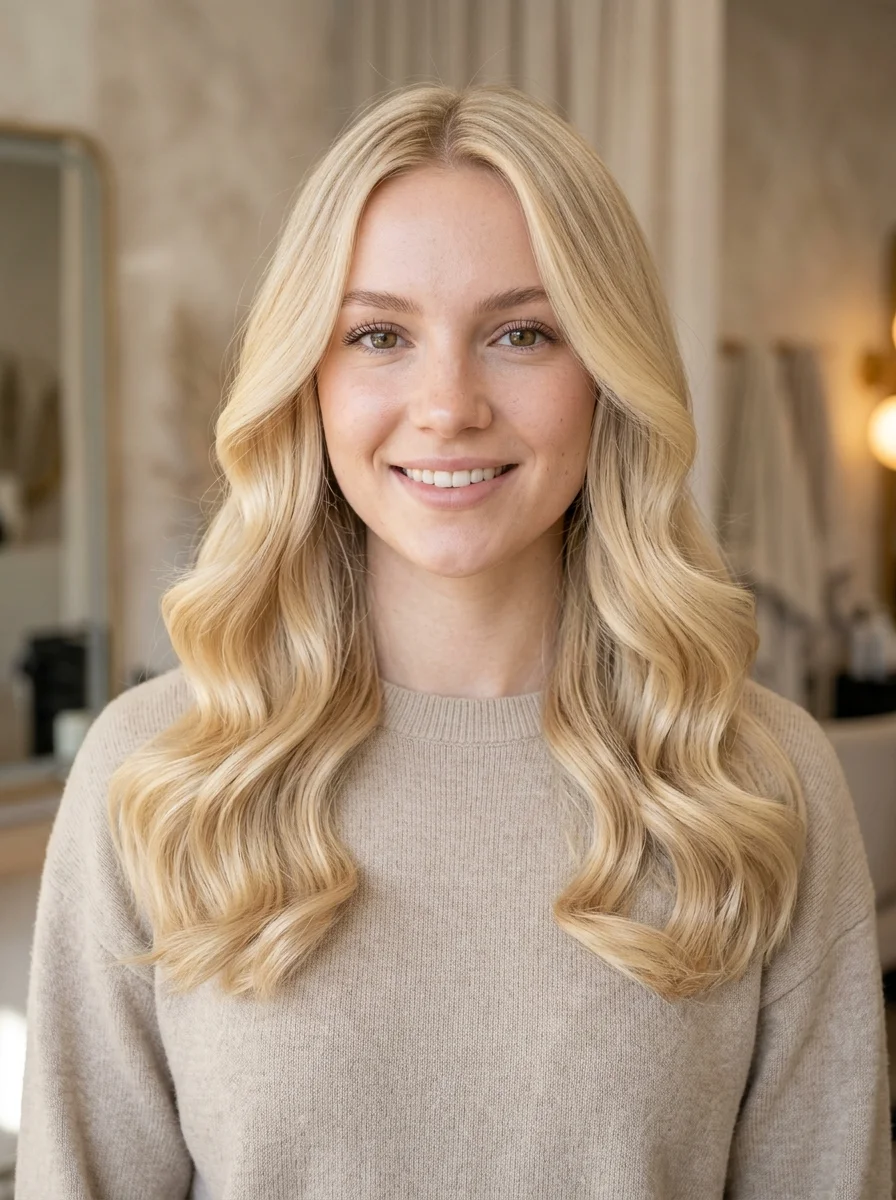
Going blonde can feel exciting, then confusing. One photo shows bright icy hair. Another has soft honey ribbons. A third keeps dark roots and adds light ends. With so many blonde hair color ideas, it is easy to wonder which one will suit you.
You may worry about yellow tones, dry ends, dark regrowth, or picking a shade that looks too harsh. Those concerns are real. The right blonde should fit your natural hair color, skin tone, and the time you want to spend at the salon.
Blonde does not always mean pale platinum. It can be warm, creamy, beige, golden, dark, or softly mixed with brown. Some blonde hair color shades need frequent toning. Others grow out in a softer way and need less upkeep.
How to Pick a Blonde Hair Color You Can Maintain
Before you book a color appointment, think about your starting hair color. Your natural base makes a big difference. Someone with dark brown hair may need a slower plan to reach a very pale blonde. Someone with light brown or dark blonde hair may be able to get there more easily.
Next, think about the finish you like. Warm blonde shades have gold, caramel, honey, or soft copper tones. Cool blonde shades have ash, silver, beige, or pearl tones. Neutral shades sit somewhere in the middle.
Your skin tone can help guide you, but it does not make the decision for you. You can wear warm or cool blonde if you like the look. A good colorist can adjust the tone so it feels balanced with your features.
Also, be honest about upkeep. Platinum roots can show quickly. Balayage and root-shadow blonde usually give you more time between appointments. The best blonde hair color is one you will enjoy looking after.
Once you know how much upkeep you want, choosing a shade becomes much easier.
Strawberry Blonde Hair

Strawberry blonde sits between blonde and soft copper. It has a rosy warmth that can make your hair look different without going fully red.
This shade can be light and subtle or deeper with more copper. A soft strawberry blonde often looks pretty with loose waves, freckles, and natural makeup. It can also work as a gentle way to add warmth to faded blonde hair.
Best for: Fair, warm, or neutral skin tones.
Ask your stylist: “I want a soft strawberry blonde that still reads blonde, not a strong red.”
Upkeep note: Warm tones can fade, so use color-safe shampoo and avoid very hot water when washing your hair.
Soft Blonde Balayage

Blonde balayage uses hand-painted pieces that get lighter from the middle of the hair down to the ends. The result can look soft and sun-kissed.
You can make balayage warm, cool, beige, or honey-toned. It works with straight hair, waves, curls, and layered cuts. The main benefit is the blend. Your roots stay more natural, so regrowth is less obvious.
Best for: Readers who want a softer grow-out.
Ask your stylist: “I want blonde balayage that starts softly and gets lighter near the ends.”
Upkeep note: Blonde balayage ideas often need less frequent root work than full highlights, but toner may still help keep the shade fresh.
Root Shadow Blonde

Root shadow blonde keeps the roots deeper while the rest of the hair is lighter. The root area blends gently into blonde lengths, which gives the hair more depth.
This style can make thin hair look fuller because there is more contrast near the scalp. It also helps when you do not want to see a clear line as your natural hair grows in.
Best for: Readers who want lower-maintenance blonde hair.
Ask your stylist: “I want blonde hair with a soft root shadow so my regrowth blends in.”
Upkeep note: Root shadow blonde can work with ash, honey, beige, or icy tones.
Platinum Blonde Hair

Platinum blonde is very light hair with little warmth. It is bold, bright, and hard to ignore. It can look amazing, but it usually needs more care than other blonde shades.
If your hair is dark, colored, or damaged, a colorist may suggest getting lighter over more than one visit. That helps protect the condition of your hair.
Best for: Readers who are ready for regular upkeep and a big change.
Ask your stylist: “Can my current hair safely reach platinum blonde, and how many appointments might it take?”
Upkeep note: Platinum hair often needs toner, deep conditioning, heat protection, and regular root touch-ups.
Pearl Blonde Hair

Pearl blonde is pale and shiny with soft beige and silver tones. It is lighter than beige blonde but often softer than a hard white platinum.
This shade looks especially pretty on smooth hair because light reflects off the color. It can also work with soft curls when the hair is well moisturized.
Best for: Light natural hair or hair that has already been lifted blonde.
Ask your stylist: “I want pearl blonde with a soft shine, not a dull gray finish.”
Upkeep note: Light blonde hair can feel dry after coloring, so add a nourishing hair mask to your weekly routine.
Icy Blonde Hair

Icy blonde is pale with cool silver tones. It is even cooler than a soft ash blonde and gives a clean, striking finish.
This shade can look great with short bobs, sleek hair, or a sharp blunt cut. It can also look pretty with soft waves when the hair has enough shine and moisture.
Best for: Readers who want a bright cool-toned blonde.
Ask your stylist: “I want icy blonde with a light silver finish, but I still want my hair to look healthy.”
Upkeep note: Purple shampoo and regular conditioning can help, but do not use too much purple shampoo at once.
Honey Blonde Hair

Honey blonde has warm golden tones that look soft and natural. It is brighter than dark blonde but less pale than platinum. This makes it a nice middle choice when you want a change without going too light.
Honey blonde can look great with soft waves, long layers, or a blunt bob. It also works well with darker roots because the color blend can look natural.
Best for: Warm or neutral skin tones, dark blondes, and light brunettes.
Ask your stylist: “I want soft honey blonde with natural depth near my roots.”
Upkeep note: A gloss appointment can help keep the color warm and shiny when it starts to look dull.
Golden Blonde Hair

Golden blonde is richer and brighter than honey blonde. It has more noticeable gold tones, especially in sunlight. This shade can make your hair look sunny without looking orange when it is done well.
It works nicely with layered hair because the lighter pieces catch the light. Golden blonde can also add warmth to a face that looks washed out with very cool hair colors.
Best for: Readers who like a bright, warm finish.
Ask your stylist: “I want golden blonde that looks bright and soft, not too yellow.”
Upkeep note: Use purple shampoo only when you see unwanted yellow tones. Using it too often can make warm blonde look less golden.
Face-Framing Blonde Money Piece

A blonde money piece means brighter sections around the face. It can make your hair look lighter without changing every strand.
You can pair it with dark roots, balayage, or natural brown hair. A soft money piece can brighten your cheeks and eyes. A stronger one creates more contrast.
Best for: Readers who want a noticeable change without going fully blonde.
Ask your stylist: “I want soft blonde face-framing pieces that blend into my natural hair.”
Upkeep note: This look may need a refresh around the face before the rest of your color needs work.
Dirty Blonde Hair

Dirty blonde is a darker blonde with beige, sandy, or light brown tones. It often looks natural and soft because it has depth near the roots and lighter pieces through the lengths.
This shade is a great choice when you want to brighten your hair but do not want a major lightening appointment. It can look lovely with soft highlights around the face.
Best for: Natural dark blondes and light brunettes.
Ask your stylist: “I want natural dirty blonde with soft brightness around my face.”
Upkeep note: Dirty blonde can be a good option when you want blonde hair that does not need constant root touch-ups.
Caramel Blonde Balayage
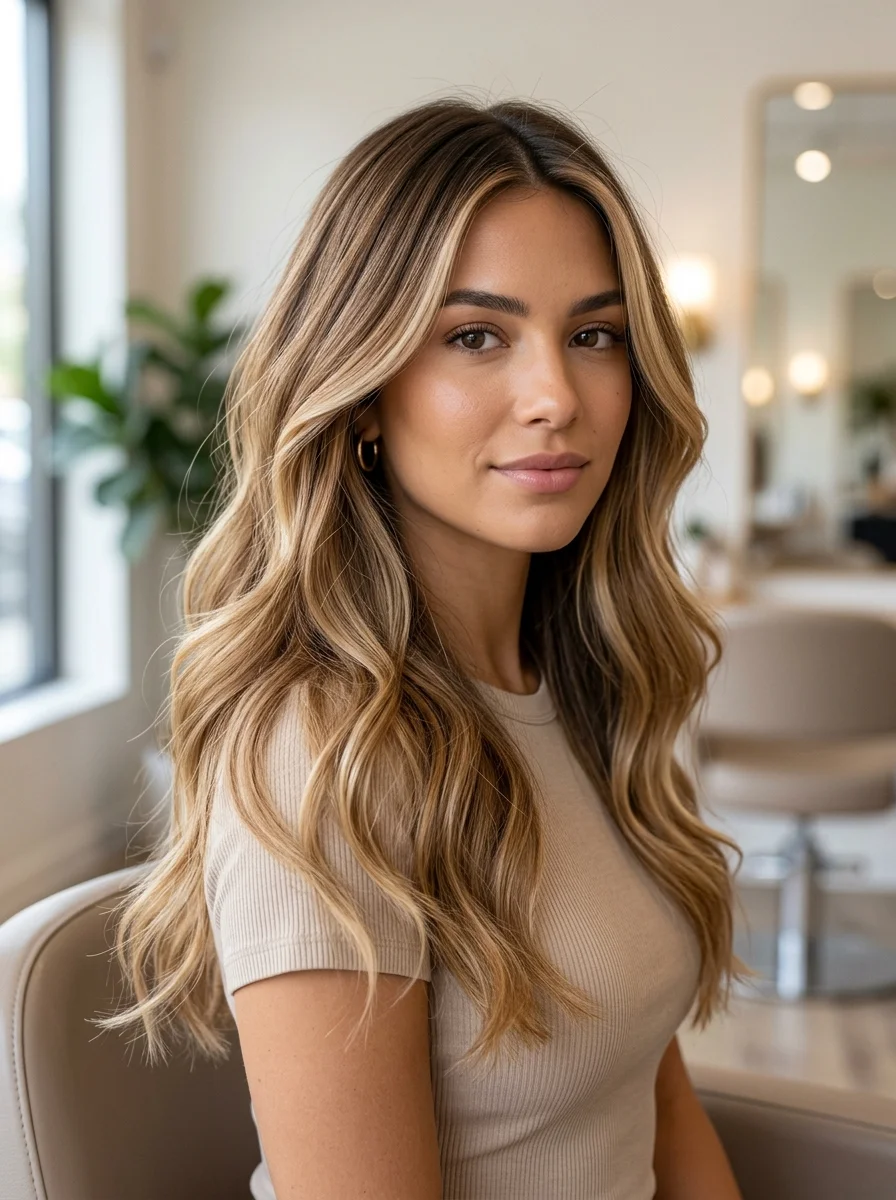
Caramel blonde balayage mixes warm blonde and caramel pieces through a darker base. The color is painted through the mid-lengths and ends, so the roots stay deeper.
This is a great option for brunettes who want to try blonde without coloring every strand. It gives you brightness around the face but still keeps your natural depth.
Best for: Dark blonde, light brown, or medium brown hair.
Ask your stylist: “I want caramel blonde balayage with a soft blend from my natural roots.”
Upkeep note: This is one of the easier blonde balayage ideas to grow out because the roots stay darker.
Butter Blonde Hair

Butter blonde is creamy, bright, and softly warm. It is lighter than honey blonde but not as white as platinum. Think pale yellow-gold with a smooth finish.
This shade can look polished on straight hair and pretty on soft curls. It is a good pick when you want lighter hair but do not like very cool or silvery blonde.
Best for: Readers who want a light, warm blonde.
Ask your stylist: “I want creamy butter blonde with warmth, but I do not want icy white hair.”
Upkeep note: A toner or gloss may help the shade stay creamy instead of turning too yellow.
Bronde Hair Color

Bronde mixes brown and blonde. It keeps enough brown depth that the hair does not feel fully blonde, but it still has lighter pieces that brighten the face.
This is a good option when you want a change but do not want to deal with a very light color. Bronde can look soft, natural, and easy to wear through different seasons.
Best for: Brunettes who want a subtle blonde change.
Ask your stylist: “I want a bronde color with soft blonde pieces and plenty of brown depth.”
Upkeep note: Bronde is often easier to maintain than very light blonde because your natural base remains part of the look.
Blonde Ombre Hair

Blonde ombre is darker at the roots and lighter near the ends. The color change is more noticeable than balayage, but it should still blend smoothly.
This look works well on long hair and layered cuts because the lighter ends show more movement. It is also a good choice if you like contrast but do not want all-over blonde roots.
Best for: Long hair and readers who like a clear dark-to-light effect.
Ask your stylist: “I want a blonde ombre with a smooth blend and no harsh line.”
Upkeep note: Since the roots stay darker, this style can be easier to maintain than all-over blonde.
Blonde Highlights on Brown Hair

Blonde highlights on brown hair add brightness while keeping your brown base. You can choose fine highlights for a soft look or thicker pieces for more contrast.
Face-framing highlights are a good place to start if you want to see how blonde feels near your skin. You can also add a few lighter pieces through the ends for extra movement.
Best for: Light to dark brown hair.
Ask your stylist: “I want blonde highlights that blend into my natural brown hair without a harsh stripe.”
Upkeep note: If your brown hair pulls warm when lightened, your stylist may suggest a toner to keep the blonde from looking brassy.
Beige Blonde Hair

Beige blonde is a balanced shade. It is not too warm and not too cool. That makes it one of the easiest blonde hair color shades to wear.
It can look natural in daylight and work with many different haircuts. Beige blonde also pairs nicely with darker roots, soft highlights, or a root shadow.
Best for: Readers who want a soft, natural blonde without a strong gold or silver tone.
Ask your stylist: “I want neutral beige blonde that looks natural in daylight.”
Upkeep note: Beige blonde usually looks best with a color-safe shampoo and a toner refresh when the shade starts to fade.
Ash Blonde Hair

Ash blonde has soft gray-beige tones. It is cooler than honey or golden blonde, but it does not need to look flat or dark.
This color often looks good with darker roots because the contrast feels natural. Ash blonde can also work well with long layers, lobs, and soft waves. It gives you a muted blonde look that feels calm and polished.
Best for: Cool or neutral skin tones.
Ask your stylist: “I want ash blonde that looks soft and smoky, not gray.”
Upkeep note: Ash tones can fade over time, so ask your stylist how often your toner may need refreshing.
How to Keep Blonde Hair Bright and Healthy
Blonde hair can look fresh for longer with a simple routine. Start with a color-safe shampoo and conditioner. These are made to be gentler on colored hair.
Use purple shampoo when you see yellow tones that you do not like. Purple shampoo is useful, but it does not need to replace your normal shampoo every wash. Too much can leave light hair looking dull or slightly purple.
Use blue shampoo only when darker blonde or brown hair starts showing orange tones. Ask your stylist which one is right for your shade before buying anything.
Heat protectant matters before blow-drying, curling, or straightening. Lightened hair can feel dry, so a weekly moisturizing mask can help the ends feel softer. Keep hot tools on a lower setting when possible.
A gloss or toner appointment can also refresh faded blonde. It is often a simple way to bring back shine and improve the tone without doing a full color service.
Final Thoughts
There is no single best blonde shade for everyone. Honey blonde may feel soft and warm. Ash blonde may give you a cooler finish. Balayage, bronde, and root shadow styles can be helpful when you want more time between appointments.
Think about your starting color, hair condition, lifestyle, and the type of upkeep you can manage. Save a few photos that match your hair texture and speak openly with your colorist before making a big change.
The right blonde hair color ideas should make you feel excited about your hair, not stressed about keeping it perfect.
