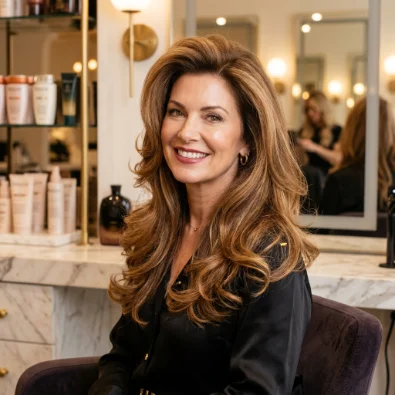
Long hair after 50 can look elegant, modern, and full of personality. The secret is not cutting it short just because of age. The secret is choosing a shape that works with your hair texture, face shape, density, and lifestyle.
Many women over 50 notice changes in their hair. It may feel drier, thinner, coarser, or harder to style than it used to. The right cut can add movement, soften facial features, create volume, and make long hair easier to manage.
Why Long Hair Can Work Beautifully After 50
Long hair can be very flattering after 50 when it has shape, shine, and movement. What often makes long hair look aging is not the length itself. It is hair that hangs flat, has dry ends, lacks layers, or no longer suits the face shape.
A good long hairstyle should do at least one of three things: frame the face, add volume, or create softness. This is why layers, curtain bangs, long waves, and blended face-framing pieces are so helpful. They keep the length but prevent the hair from looking heavy.
Hair density can also change with age. Mayo Clinic explains that female-pattern baldness often begins with scalp hair becoming less dense, especially around the part and top-central scalp area. Fine hair may need blunt ends to look fuller, while thick hair may need long layers to remove bulk.
The goal is not to chase a “younger” look. The goal is to choose a hairstyle that looks healthy, current, and easy to wear.
Butterfly Layers for Long Hair

The butterfly haircut is a great choice for women over 50 who want volume and shape but still want to keep long hair. This cut creates shorter layers around the face and longer layers throughout the back.
The result is a style that gives the illusion of a shorter, bouncy cut from the front while keeping the full length in the back. It is especially flattering if your hair feels flat at the crown.
Best for: medium to thick hair.
Ask your stylist for:
“Butterfly layers with shorter face-framing pieces and longer blended layers through the back.”
Styling tip:
This style looks best with a blowout, hot rollers, or a large round brush. Focus on lifting the roots and flicking the layers away from your face.
Half-Up Long Hairstyle

A half-up hairstyle is simple, practical, and flattering. It keeps hair away from the face while still showing off the length.
This style works well for everyday wear, work, dinners, and casual events. The key is to avoid pulling the hair too tightly. A little volume at the crown makes the style softer and more elegant.
Best for: all hair types.
How to style it:
- Take a small section from each side of the face.
- Twist or pull the sections back loosely.
- Secure with a clip, barrette, or small elastic.
- Leave a few face-framing pieces loose.
Styling tip:
Use a soft clip instead of a tight ponytail holder to avoid pulling on delicate hair.
Long Curly Layers

Long curly layers are beautiful on women over 50 because they celebrate natural texture while keeping the hair shaped. Without layers, long curls can become heavy, flat at the roots, and wide at the bottom.
The right curly cut should create a rounded, balanced shape. Layers should be placed carefully so the curls spring up naturally without creating gaps.
Best for: curly, coily, or textured hair.
Ask your stylist for:
“Long rounded layers that shape my curls without removing too much length.”
Styling tip:
Use a hydrating curl cream and dry with a diffuser. Avoid brushing dry curls, which can create frizz and break up the curl pattern.
Long Hair with Balayage or Lowlights

Color can completely change the way long hair looks. Balayage, lowlights, and soft highlights can add dimension, depth, and the appearance of fullness.
For women over 50, lowlights can be especially useful for blending gray hair. Instead of covering every silver strand, lowlights can create a softer transition between natural gray and darker tones.
Best for: brown, blonde, gray-blending, or silver-transition hair.
Ask your stylist for:
“Soft, dimensional color that works with my natural base and does not create harsh regrowth.”
Styling tip:
Waves help show off color dimension. Use a heat protectant and color-safe shampoo to maintain shine.
Long Hair with Wispy Bangs
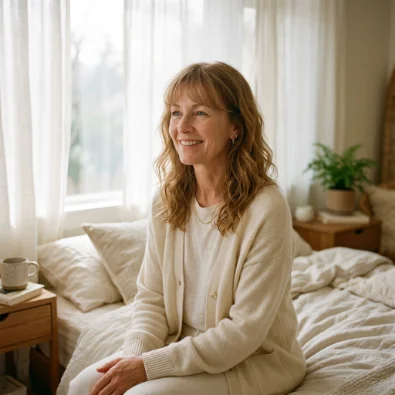
Wispy bangs are a softer alternative to blunt bangs. They lightly cover the forehead without creating a heavy line across the face. This makes them a flattering choice for women who want bangs but still want a light, airy look.
Wispy bangs pair well with long layers, soft waves, or straight hair. They can also help balance a long forehead or draw attention to the eyes.
Best for: fine to medium hair.
Ask your stylist for:
“Soft, wispy bangs that are light enough to move and blend into my side layers.”
Styling tip:
Use very little product on wispy bangs. Too much serum or cream can make them separate and look oily.
Long Layered Blowout

A long layered blowout is classic, polished, and flattering. It adds volume at the roots, movement through the mid-lengths, and bounce at the ends.
This style is perfect if you like a put-together look but still want your hair to feel soft. It works especially well with butterfly layers, face-framing layers, or long curtain bangs.
Best for: fine, medium, or layered hair.
Ask your stylist for:
“Long layers that can be styled with volume and movement.”
Styling tip:
Use a round brush, blow-dry brush, or hot rollers. Focus on lifting the roots first, then shaping the ends away from the face.
Long Layers with Curtain Bangs

Long layers with curtain bangs are perfect if you want a noticeable change without losing length. Curtain bangs part softly in the middle or slightly off-center, creating a face-framing effect that draws attention to the eyes and cheekbones.
This style works especially well for women who want bangs but do not want a heavy, blunt fringe. Curtain bangs are softer, easier to grow out, and more flexible for everyday styling.
Best for: medium to thick hair, wavy hair, and women who like blowouts.
Ask your stylist for:
“Long curtain bangs that blend into soft layers around my face.”
Styling tip:
Blow-dry the bangs away from your face using a round brush. A small amount of lightweight mousse can help them hold their shape.
Long Shag with Feathered Layers

A long shag with feathered layers is a stylish choice for women who prefer texture and movement over a polished blowout. This cut usually includes soft bangs, face-framing pieces, and layers throughout the length.
The key is to keep the shag soft and blended. Too many harsh, choppy layers can make the style look dated. A modern long shag should feel airy, relaxed, and effortless.
Best for: wavy, thick, or naturally textured hair.
Ask your stylist for:
“A soft long shag with feathered layers, not overly choppy layers.”
Styling tip:
Use texturizing spray or a lightweight curl cream. Scrunch the hair gently and let the layers fall naturally.
Long Silver Layers

Long silver layers can look striking, elegant, and modern. Gray, silver, and white hair often look best when the cut has movement and the finish has shine.
Layers prevent long gray hair from looking too heavy. They also allow natural silver tones to catch the light, especially when styled with waves or a smooth blowout.
Best for: gray, silver, white, or salt-and-pepper hair.
Ask your stylist for:
“Long blended layers that enhance my natural gray or silver color.”
Styling tip:
Use a purple shampoo occasionally to reduce brassiness, but avoid overusing it because it can make hair look dull or slightly violet. A gloss treatment can also help silver hair look brighter.
Long Waves with a Side Part

Long waves with a side part create instant softness and volume. The side part adds lift at the roots, while loose waves make the hair look fuller and more relaxed.
This is a great option if your part line has started to look wider. Cleveland Clinic notes that hair loss in women can involve shedding, thinning, or bald spots when hair loss goes beyond typical shedding.
Best for: fine, medium, or naturally wavy hair.
Ask your stylist for:
“Long layers that work well with soft waves and a side part.”
Styling tip:
Use a large-barrel curling iron or heatless rollers. Keep the waves loose, not tight, for a modern look.
Low Ponytail with Volume

A low ponytail can look elegant and modern when it has softness and volume. The mistake is pulling it too tight and flat. That can make the style look severe.
Instead, add light volume at the crown and leave a few face-framing pieces around the front. This creates a relaxed but polished look.
Best for: straight, wavy, or second-day hair.
How to style it:
- Add dry shampoo or root spray at the crown.
- Loosely gather the hair at the nape of the neck.
- Secure with a soft elastic.
- Wrap a small piece of hair around the elastic for a polished finish.
Styling tip:
A low ponytail pairs beautifully with curtain bangs or soft face-framing layers.
Sleek Long Hair with Blunt Ends

If your hair is fine, sleek long hair with blunt ends can make it appear thicker. Unlike heavily layered cuts, blunt ends keep the fullness at the bottom. This gives long hair a clean, healthy shape.
This style works especially well for women with straight or slightly wavy hair. It is simple, elegant, and easy to maintain as long as the ends are trimmed regularly.
Best for: fine, straight, or medium-density hair.
Ask your stylist for:
“A long blunt cut with minimal layering and healthy, full-looking ends.”
Styling tip:
Use a heat protectant before straightening or blow-drying. Finish with a lightweight shine serum, especially if your hair is gray, silver, or dry.
Soft Face-Framing Layers

Soft face-framing layers are one of the most flattering long hairstyles for women over 50 because they add movement without removing too much length. These layers usually begin around the cheekbones, chin, or collarbone, depending on your face shape.
This style is ideal if your long hair feels heavy or pulls your face downward. The shorter front pieces create softness around the eyes, cheeks, and jawline.
Best for: straight, wavy, fine, or medium hair.
Ask your stylist for:
“Soft face-framing layers that blend into the rest of my length.”
Styling tip:
Use a round brush or blow-dry brush to turn the front pieces slightly away from your face. This gives the hair a lifted, open look.
U-Shaped Long Haircut

A U-shaped long haircut keeps the back of the hair softly rounded instead of cut straight across. This creates a graceful shape while preserving length.
The U-shape works especially well when combined with long layers. It gives movement through the back without making the ends look too thin. This style is polished but not severe.
Best for: medium to thick hair.
Ask your stylist for:
“A soft U-shaped perimeter with long blended layers.”
Styling tip:
This cut looks beautiful with loose waves because the rounded shape helps the layers fall naturally.
V-Cut Long Layers

V-cut long layers create a more dramatic shape than a U-cut. The hair forms a soft point in the back, with layers cascading down toward the ends.
This cut is best for thick hair because it removes weight and adds movement. However, it may not be ideal for very fine hair because the pointed ends can make the bottom look thinner.
Best for: thick, dense, or heavy hair.
Ask your stylist for:
“A soft V-cut with long layers, but not too much thinning at the ends.”
Styling tip:
Add loose curls or waves to show off the layered shape. Dimensional color, such as lowlights or balayage, can make the layers stand out even more.
Styling Tips to Keep Long Hair Looking Healthy After 50
The right cut matters, but healthy styling is what keeps long hair looking its best. Long hair can show dryness, split ends, and thinning more easily, so maintenance is important.
Start with regular trims. You do not need to lose a lot of length, but trimming dry or uneven ends every 8 to 12 weeks can make long hair look fuller and cleaner.
Moisture is also essential. Many women notice that their hair feels drier after 50. Use a moisturizing shampoo and conditioner, and add a deep-conditioning mask once a week if your hair feels rough or brittle.
Heat protection is another must. Blow dryers, curling irons, and flat irons can make long hair look polished, but they can also weaken the ends. Always use heat protectant before styling.
If your hair is thinning, focus on volume at the roots rather than heavy curls at the bottom. Root-lifting spray, mousse, and dry shampoo can help create fullness without weighing the hair down.
Final Thoughts
Long hair after 50 can be soft, stylish, elegant, and easy to wear. The key is choosing a cut that supports your natural texture, face shape, and hair density.
Soft face-framing layers can add movement. Curtain bangs can brighten the face. Long silver layers can look sophisticated and modern. Curly layers can bring shape to natural texture. Blunt ends can make fine hair look fuller.
