
Thin hair can look flat even five minutes after styling. You curl it. You spray it. You flip it around. Then it falls back down and looks limp again. That is frustrating, especially when you want a haircut with shape, volume, and style.
A shag haircut can help, but here is the honest part: not every shag works for thin hair. Too many layers can make your ends look weak. Heavy razor cutting can make your hair look even thinner. The right shag haircut for thin hair should add lift without taking away too much density.
Why Shag Haircuts Work for Thin Hair
A shag haircut for thin hair works because it adds shape where flat hair needs it most.
Thin hair often lies close to the head. It can look soft, but it may not have much body. A shag adds movement through layers, face-framing pieces, and light texture. This can make your hair look fuller without needing a lot of styling.
The best part is the crown area. Shorter layers near the top can give your roots more lift. That matters because volume at the crown makes the whole haircut look fuller.
Face-framing layers also help. They bring shape around your cheeks and jaw. This makes the front of your hair look thicker, even if your hair is fine.
But you need to be careful.
A bad shag can remove too much hair. If the stylist cuts too many layers into the ends, thin hair can look stringy. If they use too much razor cutting, the ends can look weak.
The best shag for thin hair is soft and balanced. It gives you movement, but it keeps the bottom of your hair looking full.
Think of it this way: your haircut should create air, not holes.
Curly Shag for Thin Hair

A curly shag can make thin curls look fuller. The layers help curls sit in a rounder, softer shape. The key is to avoid thinning shears. Curly thin hair needs careful shaping, not heavy removal.
Best for: Thin hair with natural waves or curls.
Ask for: Curl-friendly layers that add shape, not bulk removal.
Styling tip: Use lightweight mousse or curl foam.
Avoid if: Your curls are fragile or damaged.
Curtain Bangs Shag

Curtain bangs can make thin hair look fuller around the face. They open in the middle and blend into the sides, which gives soft shape without a heavy fringe.
This shag works well with shoulder-length hair or a shaggy lob. The bangs should hit around the cheekbones or slightly lower.
Best for: Thin hair near the front hairline.
Ask for: Curtain bangs that blend into face-framing layers.
Styling tip: Blow-dry bangs away from the face.
Avoid if: Your front hairline is very sparse.
Feathered Shag for Fine Thin Hair

A feathered shag adds light movement through the ends and sides. It can make fine hair look soft and airy.
This cut works best when the feathering starts around the face, not all through the ends. Too much feathering can make thin hair look weak.
Best for: Fine hair that needs soft body.
Ask for: Feathered face-framing layers with fuller ends.
Styling tip: Use a blow-dry brush for soft volume.
Avoid if: Your ends already look broken.
French-Inspired Shag

A French-inspired shag looks soft, relaxed, and easy. It has light bangs, soft movement, and a slightly undone finish.
This cut works well for thin hair because it does not need heavy layers. It adds shape without looking too styled.
Best for: Low-maintenance hair.
Ask for: Soft bangs, light layers, and natural movement.
Styling tip: Let your hair air-dry if it has a wave.
Avoid if: Your hair is pin-straight and hard to shape.
Long Soft Shag for Thin Hair
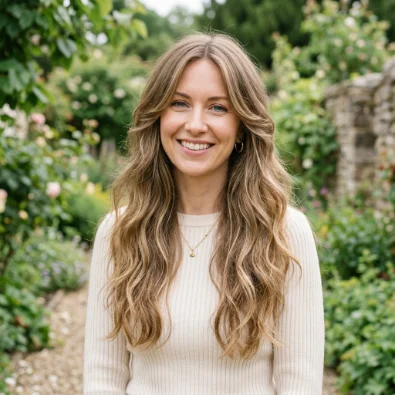
A long soft shag works if you want to keep your length. But it needs to be cut with care.
Long thin hair can look stringy if there are too many layers. Keep the layers near the face and crown. Leave the ends fuller.
Best for: People who do not want short hair.
Ask for: Long, soft layers with a fuller bottom line.
Styling tip: Add loose waves from the mid-lengths down.
Avoid if: Your ends are very sparse.
Modern Wolf Shag

The modern wolf shag is a softer version of the wolf cut. It has more volume at the crown and less weight near the ends.
For thin hair, keep this style controlled. Avoid a harsh mullet shape. Ask for blended layers instead.
Best for: People who want a bold but wearable cut.
Ask for: A soft wolf shag with light crown volume.
Styling tip: Use texture spray only on the layers.
Avoid if: Your ends are very thin.
Pixie Shag for Thin Hair

A pixie shag is short, textured, and full of shape. It can make very thin hair look denser because there is less length pulling it down.
This cut works well around the crown. It gives lift and texture without needing much product.
Best for: Very thin or flat hair.
Ask for: A textured pixie with soft shag layers.
Styling tip: Use a pea-sized amount of styling cream.
Avoid if: You do not want regular trims.
Razor-Free Textured Shag

A razor-free textured shag is a smart choice if your hair breaks easily. It gives movement without slicing the ends too much.
Ask your stylist to use scissors for soft texture. This keeps the haircut controlled and helps the ends look stronger.
Best for: Fragile, fine, or damaged thin hair.
Ask for: Scissor-cut layers with no heavy razor work.
Styling tip: Use heat protectant before blow-drying.
Avoid if: You want a very edgy, piecey shag.
Shag Lite for Thin Hair

A shag lite is a softer, easier version of a shag. It has less choppiness and more gentle movement.
This is a good first shag if you are nervous. It gives volume and shape, but it does not remove too much hair.
Best for: First-time shag clients.
Ask for: Soft layers, light texture, and fuller ends.
Styling tip: Use dry shampoo at the roots for lift.
Avoid if: You want a dramatic rock-style shag.
Shag with Blunt Ends

A shag with blunt ends is great for thin hair because it gives you movement and fullness at the same time.
The top and sides can have soft layers. The bottom stays fuller and cleaner. This helps prevent the thin, stringy look.
Best for: Thin ends and medium-length hair.
Ask for: Soft shag layers with a blunt perimeter.
Styling tip: Keep the ends smooth and polish the layers.
Avoid if: You want a very messy finish.
Shaggy Lob for Thin Hair

A shaggy lob is a long bob with soft layers. It is a smart choice if you want shape but do not want to go too short.
The lob keeps weight at the bottom. That helps thin ends look thicker. Add face-framing layers for movement.
Best for: Medium-length thin hair.
Ask for: A collarbone-length lob with soft shag layers.
Styling tip: Add loose bends with a curling iron.
Avoid if: Your hair gets oily fast and loses volume.
Short Choppy Shag

A short choppy shag gives strong volume. It works well if your hair falls flat at the crown. The shorter layers help the top of your hair stand up more.
But the cut should not be too chopped up. Thin hair needs texture, not gaps.
Best for: Flat roots and fine hair.
Ask for: Short crown layers with soft, blended ends.
Styling tip: Use a small amount of mousse before drying.
Avoid if: You dislike messy texture.
Shoulder-Length Shag for Thin Hair

A shoulder-length shag is one of the most useful cuts for thin hair. It gives you enough length to style, but it is short enough to keep volume.
This cut works well with curtain bangs, soft layers, or light waves.
Best for: Anyone who wants a safe middle length.
Ask for: Shoulder-length hair with soft layers and face-framing pieces.
Styling tip: Use Velcro rollers at the crown.
Avoid if: You want a blunt, sleek look every day.
Soft Shaggy Bob for Thin Hair

A soft shaggy bob is one of the safest choices for thin hair. It usually sits around the chin or jaw. This shorter length keeps the ends from looking weak.
The layers should be light and soft. Ask your stylist to add movement around the face and crown, but keep the bottom full.
Best for: Straight or slightly wavy thin hair.
Ask for: A bob with soft shag layers and fuller ends.
Styling tip: Use a round brush at the roots for lift.
Avoid if: You want very long hair.
Wispy Bangs Shag

Wispy bangs can soften your face and make a shag feel lighter. They work best when they are not too thin.
The trick is balance. The bangs should look airy, but they should still have enough hair to stay together.
Best for: Oval, heart, and long face shapes.
Ask for: Soft bangs that blend into the side layers.
Styling tip: Dry bangs first so they do not split.
Avoid if: You have a very sparse hairline.
How to Style a Shag Haircut on Thin Hair
A shag should not take an hour to style.
For thin hair, the goal is lift and lightness. Heavy products can make your hair fall flat. Thick oils, waxes, and heavy creams can weigh your hair down fast.
Start with a lightweight root spray or mousse. Put it near the roots while your hair is damp. Then blow-dry your roots upward. This gives the crown more height.
If you have bangs, dry them first. Bangs dry fast, and they can split if you leave them too long.
Here is a simple routine:
- Spray root lifter on damp roots.
- Add a small amount of mousse through the middle.
- Blow-dry your roots upward.
- Use a round brush on the bangs and front pieces.
- Add light texture spray to the layers only.
For second-day hair, use dry shampoo at the roots. Let it sit for one minute, then massage it in.
If your hair has waves, use a diffuser. If your hair is straight, add soft bends with a curling iron.
Do not over-style the ends. Thin ends need a clean finish. Too much product there can make them look separated.
Best Shag Haircuts for Different Face Shapes
The right shag can be adjusted for almost every face shape. Face shape helps choose the frame. Hair density decides how much layering you can handle.
| Face Shape | Best Shag Option | Why It Works |
| Round | Medium shag with longer face-framing layers | Makes the face look longer |
| Oval | Curtain bangs shag or shaggy lob | Most shag styles work well |
| Square | Soft shag with wispy edges | Softens the jawline |
| Heart | Curtain bangs shag or French shag | Balances the forehead and chin |
| Long | Shag with bangs | Makes the face look shorter |
- If your face is round, avoid too much width at the cheeks. Keep the layers longer around the face.
- If your face is long, bangs can help. They break up the length and bring attention to your eyes.
- If your jawline is strong, soft layers can help. Avoid sharp, heavy pieces around the chin.
The main rule is simple. Use the shag to frame your face, but do not let the layers steal too much hair.
Conclusion
The key is choosing the right type of shag. Soft layers, crown lift, curtain bangs, and fuller ends can make thin hair look thicker. But too many layers, heavy razor cutting, and thin ends can do the opposite.
Before your salon visit, save a few photos. Then tell your stylist exactly what you want: volume at the top, movement around the face, and fullness through the ends. A good shag should make your hair easier to style, not harder.

1 thought on “15 Shag Haircuts for Thin Hair That Add Volume”