You want a new haircut, but you do not want to lose the long hair you worked hard to grow. That can make getting layers feel risky.
You may like the soft movement in haircut photos. But you may worry that the front pieces will feel too short. You may also worry that your ends will look thin or that you will need to style your hair every morning.
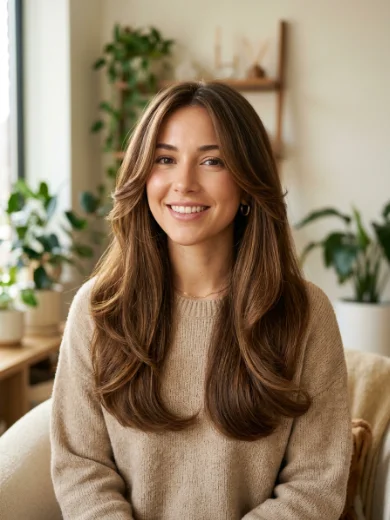
That is where face framing layers long hair can help. These shorter pieces sit around your face while most of your length stays the same. You can choose soft layers near your collarbone or bolder pieces that start near your cheekbones.
This guide shows 15 haircut ideas, from low-risk layers to curtain bangs and shaggy cuts. You will also learn how to choose a style for your hair type, what to say at the salon, and easy ways to style the front pieces at home.
Save your top three looks as you read. Then compare them based on your real routine.
What Face-Framing Layers Can Do for Long Hair
Face-framing layers are shorter pieces cut around your face. The rest of your hair stays long.
These layers can add shape when your hair feels flat or heavy. They can also make a simple long haircut look more finished without cutting off a lot of length.
Where the first layer starts makes a big difference. Cheekbone-length layers are more noticeable. They can bring focus near your eyes. Chin-length layers can soften the area around your jaw. Collarbone layers give you movement but feel less risky.
Your hair texture matters too. Straight hair can show every layer clearly. Wavy hair can make layers look soft and loose. Curly hair can gain shape near the face, but curls may spring up shorter when dry.
Some cuts need more styling than others. Curtain bangs may need a quick blow-dry. Longer layers can often air-dry with less effort.
Think about how you wear your hair most days. That matters more than copying one perfect photo.
Wispy Curtain Bangs and Long Layers

Wispy curtain bangs are lighter than thick bangs. They give you a little shape around the forehead without covering it too much.
Best for: Fine hair or anyone who wants a softer bang.
Ask your stylist for: Light curtain bangs with long, blended layers around the face.
Keep in mind: Fine bangs may separate if you do not style them.
This is a good choice when you want bangs but do not want a heavy look. A little dry shampoo or light styling spray can help add lift.
V-Cut Long Hair With Face-Framing Layers

A V-cut keeps the center back section longer and creates a soft point at the bottom. The front layers add shape around your face.
Best for: You want long hair to look more styled from the back and front.
Ask your stylist for: A soft V shape in the back with blended face-framing layers.
Keep in mind: The V shape shows best when your hair is worn down.
This cut can work well if you love long hair but want something more than a blunt bottom line.
U-Cut Long Layers With Face Framing

A U-cut creates a rounded bottom shape. It can make your ends look fuller than a sharp V-cut.
Best for: You want layers while keeping a thicker look at the ends.
Ask your stylist for: A rounded U shape with long face-framing layers.
Keep in mind: This is usually a softer look than a V-cut.
This cut is a good choice for fine hair because it can keep the bottom looking more full. It also works well for a soft blowout.
Soft Chin-Length Face-Framing Layers

These layers start around your chin and blend into the rest of your long hair. They give you shape without making the front feel too short.
Best for: You want a clear change, but you still want an easy grow-out.
Ask your stylist for: Soft layers that begin around the chin and blend into long lengths.
Keep in mind: Smooth blending matters. Sharp layers can look choppy on straight hair.
This is a good first step if your hair is one length now. It can look nice with a middle part, side part, waves, or a blowout.
No-Bangs Face-Framing Layers
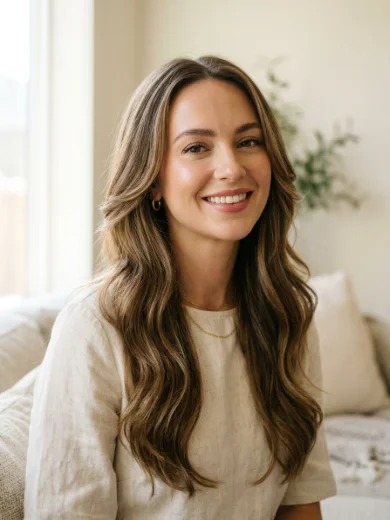
You do not need bangs to get shape around your face. Long layers that begin below the chin can change your look without adding fringe.
Best for: You do not want to style bangs every day.
Ask your stylist for: Long layers that begin below my chin, with no bangs.
Keep in mind: This is one of the easiest choices to grow out.
This cut gives you movement while keeping your styling routine simple. It is also a good option when you want to keep your hair off your forehead.
Middle-Part Long Hair Layers

A middle part gives your layers a balanced look. The pieces on both sides frame your face in the same way.
Best for: You like clean, even styles.
Ask your stylist for: Equal face-framing layers on both sides that work with a center part.
Keep in mind: The cut should follow your natural part.
This look works well with straight hair, soft waves, and curtain bangs. It can feel simple but polished.
Long Shaggy Face-Framing Layers

A long shag has more texture through the front and lengths. It can give your hair a relaxed look with plenty of movement.
Best for: You like loose, textured hair and do not need a very sleek finish.
Ask your stylist for: Long, soft shag layers with face-framing pieces.
Keep in mind: This style may feel messy if you prefer smooth hair every day.
Shaggy layers can work well with waves and curls. They may need texture spray or mousse to show their shape.
Long Layers for Wavy Hair

Wavy hair can make face-framing layers look soft without much heat styling. The wave adds natural movement to the front pieces.
Best for: You air-dry your hair or wear loose waves often.
Ask your stylist for: Long layers that work with my natural wave pattern.
Keep in mind: Your hair can look much shorter when dry than when wet.
Ask your stylist to look at your natural texture before deciding where the first layer should begin. This helps avoid front pieces that feel too short.
Long Curtain Bangs With Layers

Curtain bangs split near the middle and sweep away from the face. They blend into longer layers on both sides.
Best for: You want a new look without getting a full straight fringe.
Ask your stylist for: Long curtain bangs that blend into face-framing layers.
Keep in mind: Curtain bangs often need a few minutes of styling after washing.
These bangs can look soft and full when you blow-dry them away from your face. They also work well with a middle part.
Face-Framing Layers With a Side Part

A side part lets your front layers sweep across one side of your face. It can create more volume near the roots.
Best for: You usually part your hair to one side.
Ask your stylist for: Long face-framing layers that work with my usual side part.
Keep in mind: Tell your stylist which side you wear most often.
This cut can make long hair feel less flat around the face. It is also a nice option if a middle part does not feel like you.
Face-Framing Layers for Straight Long Hair

Straight hair shows every part of a haircut. That means well-blended layers can look smooth and clean.
Best for: You wear your hair straight most days.
Ask your stylist for: Soft, blended layers that will not look chunky when my hair is straight.
Keep in mind: Uneven layers can show more on straight hair.
You may need a quick bend at the ends to help the front pieces move away from your face. A flat iron can do this in a few minutes.
Curly Face-Framing Layers for Long Hair

Curly layers can give your hair more shape near your face. They may also help reduce a heavy feel around the front.
Best for: You have curls and want more movement around your face.
Ask your stylist for: Face-framing layers cut for my natural curl pattern.
Keep in mind: Curls can spring up after they dry.
A stylist who works with curls can help choose a safe starting point. Bring photos of your hair on a normal curl day, not only after heat styling.
Collarbone Face-Framing Layers

Collarbone layers are a low-risk choice. They add shape, but they keep the shortest front pieces fairly long.
Best for: You feel nervous about cutting too much hair.
Ask your stylist for: Long face-framing layers that begin near the collarbone.
Keep in mind: The change will look soft, not dramatic.
This cut works well when you want long hair face framing layers without daily styling. It also grows out easily.
Cheekbone-Length Layers

These front pieces begin higher, around the cheekbones. They can make the cut feel more noticeable around your face.
Best for: You want the front of your haircut to stand out more.
Ask your stylist for: Light cheekbone-length layers that blend softly into longer layers.
Keep in mind: Shorter front pieces may need more styling to sit where you want.
This style can look great with a round brush blowout. It can also work with loose waves if you like more movement near your eyes.
Butterfly-Inspired Long Layers

This cut uses shorter pieces around the face and longer layers through the rest of the hair. It can make long hair look fuller when styled.
Best for: You want visible movement without losing much length.
Ask your stylist for: Long rounded layers with shorter face-framing pieces and soft volume.
Keep in mind: A blow-dry or large rollers help show the full shape.
This style can look flat if you let it air-dry very straight. It works best when you like volume and soft bends.
How to Choose Layers for Your Hair Type
Start with your hair texture. The same haircut can look very different on straight, wavy, and curly hair.
Straight hair shows layers clearly. Soft blending can keep the cut from looking too sharp. Wavy hair can make long layers look soft and loose. Curly hair may need a different plan because curls shrink as they dry.
Next, think about how thick your hair is. Thick hair may feel heavy around the face. More layers can take out some of that weight and add movement. Fine hair may look better with lighter layers that do not make the ends feel thin.
Then think about styling. Do you enjoy using a blow-dryer, rollers, or a curling iron? Curtain bangs and shorter layers can look great with quick styling. Longer layers may suit you better if you mostly air-dry.
Face shape can be a helpful guide, but it is not a rule. Choose the layer length that makes you feel good. A chin layer, cheekbone layer, or collarbone layer can all work if it fits your style.
Use this quick guide:
- Choose collarbone layers if you want a low-risk change.
- Choose chin layers if you want more shape near your jaw.
- Choose curtain bangs if you enjoy styling the front of your hair.
- Choose soft layers if your hair is fine.
- Choose more layers if thick hair feels heavy around your face.
- Choose a curl-aware cut if you wear your hair curly most days.
5 Easy Ways to Style Face-Framing Layers
Layers look best when the front pieces have a little direction. They do not need a long routine.
1. Blow-Dry the Front Pieces Away From Your Face
Use a round brush and point the airflow down the hair. Roll the front pieces back and away from your face.
Let the hair cool before you touch it. This helps the shape last longer.
2. Use Heatless Rollers for Soft Volume
Place a large roller near the front after your hair is mostly dry. Roll the hair back and away from your face.
Leave it in while you finish getting ready. Take it out slowly for soft lift.
3. Add a Small Bend With a Flat Iron
Clamp the flat iron near the middle of the front layer. Turn your wrist away from your face as you move down.
Do not make a tight curl. A soft bend is enough.
4. Air-Dry Wavy Layers With Mousse
Apply a small amount of mousse or wave cream to damp hair. Twist the front pieces away from your face.
Let them dry without touching them too much. This can help waves form around the front.
5. Diffuse Curly Face-Framing Layers
Use a diffuser on low heat and low airflow. Cup the curls near your face and move slowly.
Do not pull the curls straight while drying. Let them keep their natural shape.
Use heat protectant before hot tools. You do not need to use a lot of product. Too much can make the front pieces look heavy.
Pick Layers That Still Feel Like You
Face framing layers long hair can refresh your haircut without asking you to give up the length you love. The key is choosing a starting point that fits your texture, your daily routine, and how much change you want.
Save your three favorite styles. Then write down the shortest layer you feel ready for. Bring those notes and photos to your appointment.
A good cut should make your hair easier to wear, not harder. Keep your length, add some shape, and choose layers that feel like you.
