
Thin hair can feel hard to style.
It falls flat fast.
The ends can look weak.
Some cuts make it look even thinner.
But here is the truth: thin hair is not the real problem. The wrong haircut is.
Long hair can pull thin hair down and make the ends look stringy. A smart short haircut can do the opposite. It can add shape, lift, and a fuller look without much effort.
Short haircuts for women with thin hair that can make your hair look softer, fuller, and easier to style. You will find rounded cuts, soft crops, light fringe styles, face-framing cuts, and short shapes that help thin hair look more balanced.
Why Short Haircuts Can Make Thin Hair Look Fuller
The best short hairstyles for thin hair work because they give your hair shape.
Thin hair often looks worse when it gets too long. The length adds weight. That weight pulls the roots down. Then the hair starts to look flat at the top and weak at the ends.
Short hair removes some of that weight.
That means your roots can lift more easily. Your ends can look cleaner. Your whole haircut can look more planned.
Clean ends also help a lot. When thin hair has broken or uneven ends, it can look even thinner. A short cut with a strong shape can make the bottom of the hair look thicker.
But short does not mean harsh.
The goal is not to cut everything off. The goal is to choose a shape that supports your hair. Some women need more crown lift. Some need fuller-looking ends.
The right cut depends on where your hair needs help most.
Airy Face-Framing Short Cut

An airy face-framing short cut softens your face without removing too much hair.
The face-framing pieces should be light and simple. Too many front layers can make thin hair look weaker.
This cut works well for round, square, and heart-shaped faces. It can also help your short haircut feel softer and more feminine.
Ask for gentle face-framing, not heavy front layering.
Best for: Softness around the face.
Avoid if: Your front pieces are already thin.
Styling tip: Add a soft bend near the cheekbones.
Cropped Cut With Baby Bangs

A cropped cut with baby bangs is short and bold.
The baby bangs create a strong point of focus. This can make the whole haircut look more styled and less plain.
But this cut is not for everyone.
You need enough hair at the front to make the bangs work. If your hairline is very thin, choose a side fringe instead.
This cut suits oval, heart, and longer face shapes well.
Best for: A bold short haircut.
Avoid if: Your front hairline is sparse.
Styling tip: Keep the bangs light and soft, not thick.
Crown-Lifted Sculpted Crop

A crown-lifted sculpted crop is made for flat roots.
This cut keeps more shape at the top of the head. The sides are usually shorter, which makes the crown look fuller.
It is a strong choice if your hair looks thin because it lies too close to your scalp.
This cut looks neat and polished. It can also feel more professional than messy short styles.
Best for: Flat roots and low crown volume.
Avoid if: You do not want regular trims.
Styling tip: Apply root spray at the crown before drying.
Ear-Length Soft Crop

An ear-length soft crop gives thin hair a fuller side shape.
This cut sits near the ears and removes extra length that can pull the hair down. It is a good choice if you want short hair but do not want a harsh look.
The soft edges make it feel feminine and easy to wear.
It also works well with a side part. That small change can make the roots look more lifted.
Best for: Low-maintenance short hair.
Avoid if: You want to tie your hair back.
Styling tip: Use light mousse before blow-drying.
Lifted Side-Part Short Cut
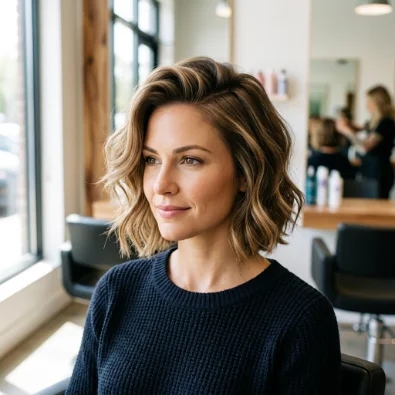
A lifted side-part short cut is an easy way to add volume.
A center part can make thin hair look flat. A side part can give the roots more lift and make one side look fuller.
This cut works with many short styles. It can be soft, neat, or slightly tousled.
The trick is to shape the haircut around the part. That way, the volume looks natural.
Best for: Flat roots and limp hair.
Avoid if: Your hair strongly falls into a center part.
Styling tip: Flip the part slightly against your natural fall.
Mini Crop With Side Fringe

A mini crop with side fringe adds shape around the face.
The fringe should be light, not thick. A soft side fringe can make thin hair look more styled without taking too much hair from the front.
This is better than heavy bangs for many women with thin hair. Heavy bangs need more hair, and that can make the sides look thinner.
The side fringe also helps if your forehead area looks flat.
Best for: Thin hair near the front.
Avoid if: Your front hairline is very sparse.
Styling tip: Blow-dry the fringe to the side with your fingers.
Neck-Length Rounded Crop

A neck-length rounded crop is good if you are not ready for very short hair.
It keeps enough length to feel safe, but it removes weak shoulder-length ends. This can make thin hair look much fuller.
The rounded shape keeps the bottom controlled. It also gives the cut a soft finish.
This is a good transition cut before trying something shorter later.
Best for: First-time short haircut changes.
Avoid if: Your neck-length hair flips out too much.
Styling tip: Blow-dry the ends inward for a fuller shape.
Razor-Free Short Shape

A razor-free short shape is a smart choice for fragile thin hair.
Some thin hair does not react well to razoring. It can make the ends look frizzy or weak. A scissor-cut shape can keep the ends cleaner and stronger.
This cut is less about being trendy and more about protecting the look of your hair.
Ask your stylist to shape the cut without heavy thinning.
Best for: Thin hair that gets frizzy or weak at the ends.
Avoid if: You want a very messy, rough texture.
Styling tip: Ask for clean scissor work and soft edges.
Rounded Micro Cut for Fuller Ends

A rounded micro cut is short, neat, and soft.
It works well when your thin hair looks weak at the bottom. The rounded shape keeps the ends close together, so they look fuller. This cut usually sits between the cheekbone and chin.
It should not have too many layers. Too many layers can break up the shape and make the ends look thin again.
Best for: Thin hair with weak ends.
Avoid if: You want lots of length around your neck.
Styling tip: Use a small round brush to curve the ends softly.
Rounded Pageboy-Inspired Cut

A rounded pageboy-inspired cut gives thin hair a clear shape.
It has a soft curved outline that can make straight thin hair look more controlled. The shape works well when tucked behind the ears.
This style has a slight vintage feel, but it can still look modern when kept clean and simple.
If you add a fringe, keep it light. A heavy fringe can take too much hair from the rest of the cut.
Best for: Straight thin hair.
Avoid if: You dislike rounded shapes.
Styling tip: Use a flat brush to smooth the sides.
Short Feathered Shape

A short feathered shape gives thin hair light movement.
This cut works best when the feathering is soft. It should not look heavily chopped. The goal is movement, not removing too much hair.
Feathering can help fine hair look less flat. It gives the hair a soft, airy finish.
But be careful. Too much feathering can make the ends look empty.
Best for: Fine hair that falls flat.
Avoid if: Your ends already look very thin.
Styling tip: Use a light blowout cream or mousse, not heavy oil.
Sleek Tucked Short Cut

A sleek tucked short cut is clean and elegant.
This style works well when you want your thin hair to look neat, not messy. The tucked ends make the haircut look controlled and planned.
It is a strong choice for work, events, or simple daily styling.
But keep products light. Heavy shine serum can flatten thin hair fast.
Best for: A polished short hairstyle.
Avoid if: You want lots of volume and texture.
Styling tip: Tuck one or both sides behind the ears for shape.
Soft Boyish Short Cut

A soft boyish short cut is simple, modern, and confident.
It has a slightly relaxed shape, but it should not look rough. Longer pieces on top keep it soft. Shorter sides stop the hair from looking heavy.
This cut is good if you want something less traditional. It works well pushed back, side-parted, or worn with light texture.
Thin hair can suit this style because the cut does not depend on long length.
Best for: A bold but wearable short look.
Avoid if: You prefer very feminine, flowing styles.
Styling tip: Use a tiny amount of styling paste on the top pieces.
Tousled Short Crop

A tousled short crop gives thin hair a casual, fuller look.
It works well if your hair has a natural bend or soft wave. The light texture makes the hair look more active.
The key is soft tousling. Do not make it too choppy. Heavy chopping can make thin hair look broken.
This style is good if you prefer a relaxed look instead of a perfect blowout.
Best for: Casual volume and soft movement.
Avoid if: Your hair is very straight and hard to bend.
Styling tip: Use dry texture spray, then shape with your fingers.
Wispy Nape-Length Short Cut

A wispy nape-length cut keeps a little softness near the neck.
This is a smart choice if you are nervous about going very short. It gives you the benefits of short hair but still leaves some movement at the back.
The key is soft shaping. Do not ask for heavy thinning. Thin hair needs some weight left in the ends.
This cut works well on straight or slightly wavy hair.
Best for: Women who want a softer short cut.
Avoid if: Your hair gets very frizzy at the neck.
Styling tip: Add a small amount of texture spray at the ends.
Styling Tips to Make Short Thin Hair Look Fuller
Even the best short hairstyles for thin hair need the right styling habits.
The wrong product can ruin a good cut. Heavy oils, thick creams, and too much serum can make thin hair fall flat.
Start with lightweight products.
A light mousse can help your roots stand up. A root-lifting spray can add height at the crown. Dry texture spray can make the hair look fuller without making it greasy.
How you dry your hair also matters.
Blow-dry your roots upward. Use your fingers first. Then use a round brush where you need shape.
If your hair gets flat fast, try Velcro rollers at the crown for a few minutes. They can add soft lift without too much heat.
Dry shampoo can also help, even on clean hair. It gives thin hair a little grip.
Use less product than you think you need. You can always add more.
The goal is simple: add volume without adding weight.
Haircut Mistakes to Avoid With Thin Hair
Some short haircuts look good in photos but fail in real life.
The biggest mistake is too much layering. Layers can help, but heavy layers can make thin ends look empty.
Another mistake is heavy bangs. Thick bangs need a lot of hair from the front. If your hair is already thin there, the rest of your haircut may look weaker.
Be careful with razor cutting too. Some stylists use razors to add texture. But on thin or fragile hair, too much razor work can make the ends look frizzy.
The wrong short haircuts for thin hair women usually remove too much weight from the ends.
Also avoid heavy styling products. They can flatten the roots and hide the shape of the cut.
Before your haircut, say this to your stylist:
“I want to keep weight at the ends and avoid heavy thinning.”
That one sentence can save your haircut.
How to Maintain Short Haircuts for Thin Hair
Short hair can be easier to style, but it still needs regular care.
Short haircuts for fine thin hair look best when the shape stays clean. Once the ends grow out, the cut can start to fall flat.
Crops and crown-lifted cuts usually need trims more often. Rounded cuts can last a little longer, but they still need clean ends.
Here is a simple guide:
| Haircut Type | Maintenance Level | Suggested Trim Timing |
| Ear-length soft crop | Medium-high | Every 4–6 weeks |
| Rounded micro cut | Medium | Every 6–8 weeks |
| Crown-lifted crop | High | Every 4–6 weeks |
| Neck-length rounded crop | Medium | Every 6–8 weeks |
| Tousled short crop | Medium | Every 6–8 weeks |
Use lightweight conditioner. Put it mostly on the ends, not the roots.
If your hair gets oily fast, use dry shampoo at the roots. If your ends feel dry, use a small amount of light leave-in spray.
When the shape starts falling flat, it is time for a trim.
Quick Comparison: Which Short Haircut Should You Choose?
If you are still unsure, match the haircut to your main hair goal.
Use this guide to compare the best short hairstyles for thin hair based on volume, styling effort, and face-framing effect.
| Your Goal | Best Style |
| Fuller-looking ends | Rounded micro cut |
| More root lift | Crown-lifted sculpted crop |
| Low maintenance | Ear-length soft crop |
| Softer face shape | Airy face-framing short cut |
| Polished look | Sleek tucked short cut |
| Casual volume | Tousled short crop |
| Bold style | Cropped cut with baby bangs |
| Safe first short cut | Neck-length rounded crop |
| Less frizz at ends | Razor-free short shape |
| More front movement | Mini crop with side fringe |
Do not choose based on trend alone.
Save your top two styles. Then ask your stylist which one fits your hair density, face shape, and styling routine.
Conclusion
Thin hair does not have to look flat. The right short haircut can make your hair look fuller, softer, and easier to style. Focus on shape, clean ends, crown lift, and light movement. Avoid heavy layers, thick bangs, and products that weigh your hair down.
Pick two or three styles you like. Show them to your stylist. Then ask which one will protect your hair’s density and give you the best shape.

1 thought on “15 Short Haircuts for Women With Thin Hair”