

Blonde hair can look bright in one photo and dull in another. That can make choosing the right shade feel harder than it should.
You may love blonde hair but worry about picking a color that washes you out. You may also fear that your hair will look too yellow, orange, or fake.
Warm blonde hair can help solve that problem. These shades use soft gold, honey, caramel, peach, and beige tones. The result often feels softer and more natural than icy blonde.
Still, every warm blonde hair color looks different. Honey blonde is rich and golden. Vanilla blonde is pale and creamy. Caramel blonde is deeper and works well with brown hair.
Your best match depends on your skin tone, natural hair color, and how much care you want to give your hair. Some shades need regular salon visits. Others grow out in a softer way.
What Makes Warm Blonde Hair Look Golden Instead of Brassy?
Warm blonde hair is meant to have gold in it. That does not mean it should look orange, uneven, or overly yellow.
A good warm blonde hair color has balanced tones. It may include honey, amber, peach, caramel, or soft copper. These shades give the hair a bright and rich finish.
Brassy blonde is different. Brassiness often appears when the color turns too orange or yellow. It may also look uneven from the roots to the ends.
Honey blonde has a clear golden tone. Caramel blonde is deeper and includes more brown. Strawberry blonde adds soft peach or red. Golden blonde hair sits between pale blonde and rich honey shades.
Lighting can also change how blonde looks. Warm indoor light may make gold tones appear stronger. Cool daylight may make the same shade look softer.
This is why one reference photo is not always enough. Look at several photos of the same color in different light.
When you speak with your stylist, explain the kind of warmth you want. You can say that you want soft gold without strong orange tones. Clear words can help you get a result that feels warm, bright, and even.
Warm Vanilla Blonde

Warm vanilla blonde is pale, creamy, and soft. It has a light golden tone instead of an icy or silver finish.
This shade works best when your natural hair is already light. Dark hair may need several salon visits to reach this level.
Warm vanilla blonde can make pale blonde hair feel softer. It also works well with a shadow root because the darker base adds depth.
Best for: Natural blondes or light hair that needs a creamy finish.
Keep in mind: Pale blonde may need regular toner and root care.
Warm Champagne Blonde

Warm champagne blonde is light and soft. It mixes pale gold with beige tones.
This shade feels more balanced than strong yellow blonde. It also looks warmer than icy champagne blonde.
A shadow root can make this color easier to wear. It adds depth and helps the regrowth look less sharp.
Best for: Light hair that needs soft warmth without heavy gold.
Keep in mind: Ask for beige-gold tones rather than strong yellow tones.
Warm Blonde With a Shadow Root

Warm blonde with a shadow root keeps the roots slightly darker than the lengths. This creates depth and softer regrowth.
The blonde sections can be vanilla, honey, beige, or golden. The root color should blend into the lighter hair instead of creating a hard line.
This style can make bright blonde feel more natural. It can also reduce the need for very frequent root visits.
Best for: You want light blonde with easier grow-out.
Keep in mind: The root shade should match your natural depth for the softest blend.
Warm Blonde Ombre

Warm blonde ombre starts darker at the roots and becomes lighter through the ends. The change is more clear than balayage.
This style lets you keep your natural root color. It works well on medium and long hair because there is enough length for the fade.
Honey, caramel, and golden blonde all work well for the lighter ends.
Best for: You want bright ends while keeping dark roots.
Keep in mind: The ends may need regular masks because they receive the most lightening.
Warm Blonde Money Piece

A warm blonde money piece adds bright color around the face. The rest of the hair can stay darker.
This style creates a clear change without lightening the full head. You can choose honey, gold, caramel, or vanilla tones for the front pieces.
A money piece can brighten your face and make simple hairstyles stand out.
Best for: You want a bold front section with less overall lightening.
Keep in mind: Strong contrast may need more root care as it grows.
Warm Beige Blonde

Warm beige blonde mixes soft beige with a small amount of gold. It gives you warmth without a strong yellow look.
This shade can work across many skin tones. It is also a good choice if you feel unsure about very golden blonde.
A darker root can make warm beige blonde look soft and natural. It works well with highlights, balayage, or full color.
Best for: You want a balanced blonde that is neither icy nor too gold.
Keep in mind: Show your stylist several beige blonde photos because beige can vary.
Sun-Kissed Blonde Highlights

Sun-kissed blonde highlights are fine, soft, and bright. They are often placed around the face and through the top layers.
The goal is to copy the way hair naturally lightens in the sun. The highlights should blend into the base instead of looking striped.
This style works on many hair colors and lengths. It can add brightness without a major change.
Best for: You want a soft update that still looks natural.
Keep in mind: Fine highlights may need gentle care to prevent dry ends.
Strawberry Blonde Hair

Strawberry blonde hair mixes blonde, gold, peach, and soft red. The shade can be pale and gentle or deeper and more copper.
It often looks brighter in natural light. The peach and red tones give the hair a warm glow.
This color can work well on fair, warm, or neutral skin. It also blends well with natural red or copper hair.
Best for: You want warm blonde with a soft red touch.
Keep in mind: Red and peach tones can fade faster than beige shades.
Peachy Golden Blonde

Peachy golden blonde mixes warm gold with a light peach tint. It feels softer and less red than strawberry blonde.
This shade can add a playful touch to pale or medium blonde hair. It often looks bright in daylight.
Peach tones may be added through a gloss, toner, or soft highlights.
Best for: You want something warmer and more creative than classic gold.
Keep in mind: Peach color can fade, so use color-safe products.
Honey Blonde Hair

Dark honey blonde hair blends amber, gold, and soft brown tones. It is deeper than classic honey blonde.
This shade works well on dark blonde and light brown hair. It adds warmth without making the hair look very bright.
Dark honey blonde may also be easier to maintain than pale blonde because the root contrast is softer.
Best for: You want a rich blonde shade that does not feel too light.
Keep in mind: Ask for amber-gold tones instead of orange.
Golden Bronde Hair
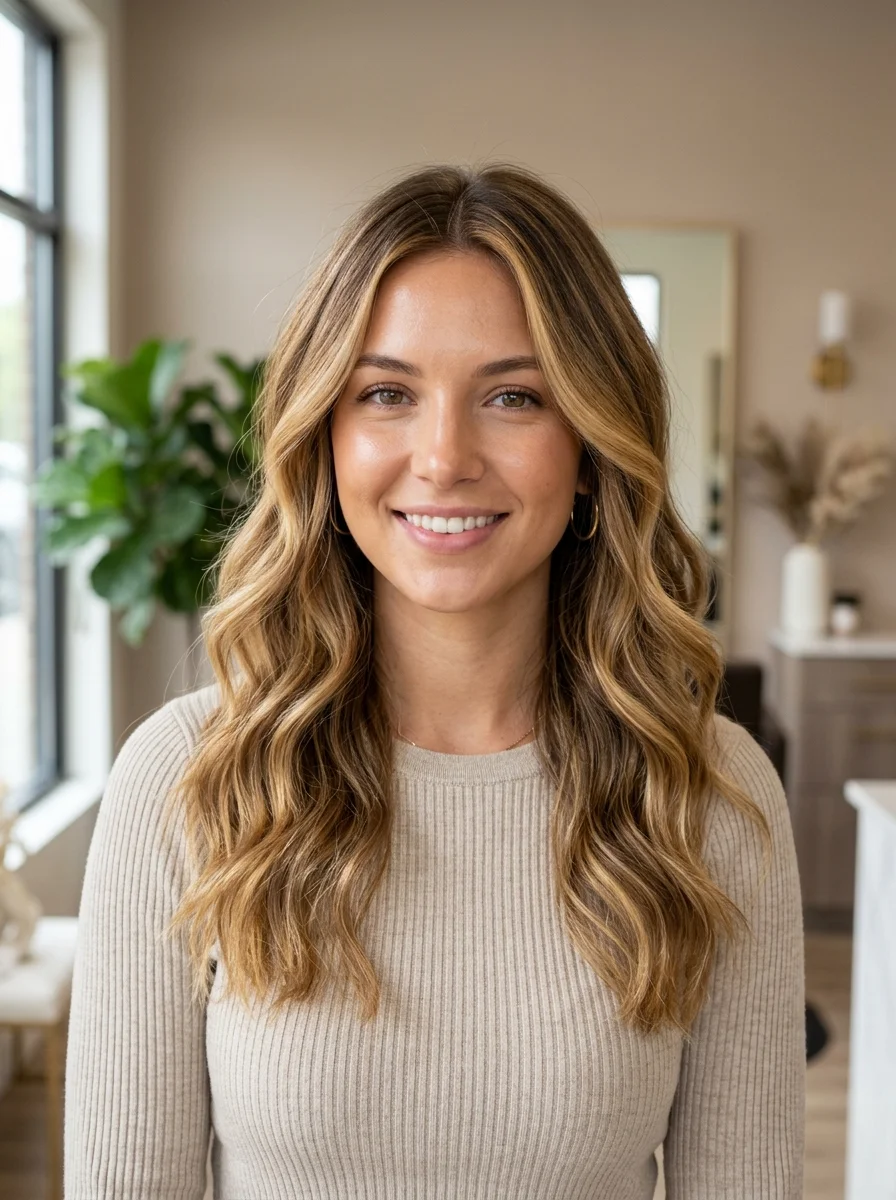
Golden bronde hair sits between blonde and brown. It keeps depth at the roots while adding golden brightness through the rest of the hair.
This color gives you a sun-lightened look without making you fully blonde. It often works well on light brown or dark blonde hair.
Bronde can also make thick hair look more textured because the lighter pieces add contrast.
Best for: You want blonde brightness without losing your brown base.
Keep in mind: Keep some darker pieces for a richer result.
Golden Blonde Balayage

Golden blonde balayage adds soft ribbons of color through the middle and ends of the hair. The roots usually stay darker.
Balayage is a hand-painted highlighting method. It creates a softer blend than bold foil highlights.
This style can brighten your hair without covering every strand. It also gives you softer regrowth, which may mean fewer salon visits.
Golden blonde balayage works well on dark blonde, light brown, and medium brown hair.
Best for: You want a bright result with a natural-looking root.
Keep in mind: The ends may need extra moisture after lightening.
Dark Honey Blonde Hair

Dark honey blonde hair blends amber, gold, and soft brown tones. It is deeper than classic honey blonde.
This shade works well on dark blonde and light brown hair. It adds warmth without making the hair look very bright.
Dark honey blonde may also be easier to maintain than pale blonde because the root contrast is softer.
Best for: You want a rich blonde shade that does not feel too light.
Keep in mind: Ask for amber-gold tones instead of orange.
Caramel Blonde Highlights

Caramel blonde highlights add deep gold and brown tones to darker hair. They create contrast without making the whole head very light.
This is a good first step for brunettes who want to try blonde. The color blends well with dark blonde, light brown, and medium brown bases.
Caramel highlights can be placed around the face or spread through the full length. They add warmth, shine, and movement.
Best for: Brown hair that needs a soft blonde change.
Keep in mind: Ask for blended pieces if you want a natural finish.
Buttery Blonde Hair

Buttery blonde hair is bright, creamy, and golden. It has more yellow warmth than vanilla blonde but still looks soft.
This shade works best on naturally light blonde or dark blonde hair. Dark bases may need more than one lightening session.
Buttery blonde can look bold while still feeling warmer than platinum.
Best for: You want bright blonde with a rich golden finish.
Keep in mind: Use moisture care because very light hair can feel dry.
How to Choose Warm Blonde Hair for Your Skin Tone
Your skin tone can help you choose a warm blonde shade. It does not mean you are limited to one color.
Start by looking at your undertone. Warm undertones may have golden, peach, or yellow hints. Cool undertones may have pink, red, or blue hints. Neutral skin often has a mix of both.
Honey blonde, caramel blonde, and rich golden blonde often pair well with warm or olive skin. These shades can bring out the golden tones already in your skin.
Fair skin may look soft with vanilla blonde, champagne gold, or light strawberry blonde. A pale blonde with a little warmth can add brightness without looking too icy.
Deep skin tones can look beautiful with dark honey blonde, bronze blonde, or caramel highlights. Keeping some depth at the roots can create balance and make the color feel more natural.
Neutral skin tones often have many options. Warm beige blonde, sandy blonde, and golden bronde can work well because they mix warm and soft neutral tones.
Cool skin tones can also wear warm blonde. The key is balance. A warm beige blonde or soft champagne shade may feel less harsh than a strong yellow-gold color.
Your eyebrow color matters too. Very dark brows can look more balanced with a shadow root or darker blonde base. Your eye color and natural root depth can also help guide your choice.
Try holding blonde color samples near your face in daylight. This can help you see which tones brighten your skin and which ones make it look flat.
Which Warm Blonde Shade Fits Your Starting Hair Color?
Your current color affects how light you can go. It also affects how many salon visits you may need.
Light blonde hair can often reach vanilla, buttery, or champagne blonde with a smaller tone change. The hair may still need a toner or gloss to create the exact finish.
Dark blonde hair works well with honey, beige, and golden balayage. These shades can add warmth without a major color shift.
Light brown hair is a good base for caramel highlights, golden bronde, and dark honey blonde. The deeper base helps create natural contrast.
Dark brown hair may need gradual lightening. Trying to reach pale blonde in one visit can put extra stress on the hair.
Previously colored hair may also react in a different way than natural hair. Old dye can affect how evenly the hair lifts.
| Starting Hair Color | Warm Blonde Options | Likely Change |
| Light blonde | Vanilla, buttery, champagne | Small tone change |
| Dark blonde | Honey, beige, golden balayage | Medium lightening |
| Light brown | Caramel, bronde, honey highlights | Added warmth and brightness |
| Dark brown | Caramel highlights, warm ombre | Gradual lightening may be needed |
| Red or copper | Strawberry, peach-gold, honey | Warm tones may blend more easily |
Ask your stylist to check the condition of your hair before bleaching. A strand test can also show how your hair may respond.
How to Keep Warm Blonde Hair Bright and Glossy
Warm blonde should look golden and even. It should not become dull, dry, or overly orange.
Start with a shampoo made for color-treated hair. A gentle formula can help slow down fading.
Avoid washing with very hot water. Hot water can make color fade faster and may leave the hair feeling dry.
Use a rich conditioner after each wash. Add a moisture mask when the ends feel rough or weak.
Heat can also affect blonde hair. Use a heat protectant before blow-drying, curling, or straightening.
Try to lower the temperature on your styling tools. Very high heat can make pale hair feel brittle.
Sunlight may also fade or change hair color. A hat or UV hair product can help when you spend long hours outside.
Purple shampoo can reduce strong yellow tones. Still, you should use it with care.
Too much purple shampoo may make warm blonde look dull, gray, or flat. The goal is to control unwanted brassiness without removing all the gold.
A salon gloss or toner can refresh the shade when it starts to lose shine. Ask your stylist which product fits your exact blonde tone.
Your main care products may include:
- Color-safe shampoo
- Moisturizing conditioner
- Weekly hair mask
- Heat protectant
- UV hair protection
- Salon gloss or toner
The right routine can help your blonde stay soft, bright, and healthy-looking.
Choose a Warm Blonde Shade That Fits Your Routine
Warm blonde hair can be pale, deep, soft, or bold. Honey blonde feels rich and golden. Vanilla blonde is light and creamy. Caramel and bronde shades keep more depth.
The right color depends on your starting shade, skin undertone, and care routine. It also depends on how often you want to visit the salon.
You do not need to copy one photo exactly. A stylist can adjust the tone, root depth, and highlight placement to suit your features.
Save two or three warm blonde hair ideas that stand out to you. Compare how light they are, how golden they look, and how much upkeep they may need.
Then take those photos to your color appointment and ask for a shade that feels natural on you.
